How to Survive in the Wilderness: Skills That Matter
Affiliate disclosure: Some links on this page are affiliate links. If you buy through them we earn a small commission at no extra cost to you. This never influences which products we recommend — we only suggest things we'd buy ourselves. Product prices and availability are accurate as of the date published and are subject to change. Always check Amazon for current pricing before purchasing. Learn more.

Quick Picks
101 Skills You Need to Survive in the Woods: The Most Effective Wilderness Know-How on Fire-Making, Knife Work,
101 distinct skills provides comprehensive wilderness survival knowledge
Buy on AmazonSAS Survival Handbook, Third Edition: The Ultimate Guide to Surviving Anywhere
Comprehensive survival guide covers ultimate scenarios anywhere
Buy on AmazonHow to Eat in the Woods: A Complete Guide to Foraging, Trapping, Fishing, and Finding Sustenance in the Wild
Covers multiple survival skills: foraging, trapping, fishing, and sustenance
Buy on Amazon| Product | Price Range | Top Strength | Key Weakness | Buy |
|---|---|---|---|---|
| 101 Skills You Need to Survive in the Woods: The Most Effective Wilderness Know-How on Fire-Making, Knife Work, also consider | $$ | 101 distinct skills provides comprehensive wilderness survival knowledge | Unknown brand may indicate limited reputation or market presence | Buy on Amazon |
| SAS Survival Handbook, Third Edition: The Ultimate Guide to Surviving Anywhere also consider | $$ | Comprehensive survival guide covers ultimate scenarios anywhere | Physical handbook format less portable than digital alternatives | Buy on Amazon |
| How to Eat in the Woods: A Complete Guide to Foraging, Trapping, Fishing, and Finding Sustenance in the Wild also consider | $$ | Covers multiple survival skills: foraging, trapping, fishing, and sustenance | Written guide requires reading comprehension and retention during field use | Buy on Amazon |
| How to Stay Alive in the Woods: A Complete Guide to Food, Shelter, and Self-Preservation That Makes Starvation in the also consider | $$ | Comprehensive guide covering food, shelter, and self-preservation skills | Book format less portable than digital survival reference | Buy on Amazon |
| The Long-Term Wilderness Survival Bible: The Ultimate Guide to Survive in Any Extreme Situation|How to Build Shelter, also consider | $$ | Comprehensive guide covers multiple survival scenarios and extreme situations | Unknown brand may lack established reputation in survival guides | Buy on Amazon |
| Survival Hacks: Over 200 Ways to Use Everyday Items for Wilderness Survival (Life Hacks Series) also consider | $$ | Over 200 survival hacks provide extensive practical resource coverage | Book format limits quick reference in actual wilderness situations | Buy on Amazon |
Most people who get into trouble in the woods make the same mistakes: they panic, they move when they should stay put, and they skip the basics because they assumed the day hike would stay simple. I’ve been going into the George Washington and Jefferson National Forests on weekends for years, and I’ve had moments where small problems almost became serious ones. Nothing dramatic. But enough to know that preparation and practiced skill matter more than any single piece of gear.
This is a practical look at how to survive in the wilderness, built around things I’ve actually done, skills I’ve read about from people who know more than I do, and a handful of books worth owning before your next trip into the Shenandoah or anywhere else.

The Survival Priorities That Actually Matter
Before any gear list or book recommendation, you need a mental framework. Mors Kochanski spent decades teaching wilderness survival in the Canadian boreal forest, and his rule of threes is as close to universal as anything I’ve seen: three minutes without air, three hours without shelter in a harsh environment, three days without water, three weeks without food. That order tells you where to spend your mental energy when things go sideways.
You can find more on building that mental framework in our Core Skills hub, which covers the foundational knowledge that underpins most of what I’ll talk about here.
Shelter First
I’ve slept under a debris hut I built in the GW on a November night when temperatures dropped faster than expected. It worked. It was ugly, took about ninety minutes, and I was warm. The point isn’t to build something pretty. The point is to reduce heat loss before you lose the energy and daylight to do it.
Lean-to structures using downed branches and bark are faster to build. A debris hut, where you pack dry leaves and duff over a low frame, is warmer because it traps body heat. Which one you build depends on how much time and material you have. Practice both before you need either.
Fire as a Tool, Not Just Comfort
Fire handles three priorities at once: warmth, water purification, and signaling. I carry a ferro rod (I’ve used a Light My Fire Scout for years) and a BIC lighter as backup. I keep fatwood shavings in a small tin. Knowing how to read tinder quality, how to prepare a fire lay in wet conditions, and how to keep a coal going when the wind picks up, those are skills you develop through practice, not reading alone.
Lars Fält, the Swedish Army survival instructor, writes extensively about fire discipline in cold weather. His point is that fire management is as important as fire starting. Don’t burn through your fuel in the first hour.
Water Before You’re Thirsty
I carry a Sawyer Squeeze as my primary filter on any trip longer than a day hike. I’ve also boiled water in a GSI stainless steel cup over open fire more times than I can count. The Shenandoah has good surface water in most seasons, but giardia doesn’t care how clear a stream looks.
Finding water means reading terrain: look for drainages, listen for moving water, follow animal trails downhill. Snow and rain are collection opportunities. A large piece of bark or a poncho can channel water into a container. None of this is complicated, but you have to know it before you need it.
Navigation and Signaling
A map and compass. I carry a Silva Ranger. I’ve used it in the GW on overcast days when GPS was useless. A phone with a downloaded topo is useful backup, not a primary tool. Know how to shoot a bearing and how to identify your location by terrain features.
Signaling matters more than most beginners think. Three of anything is a distress signal: three whistle blasts, three fires in a triangle, three reflective flashes. A quality signal mirror can be seen for miles on a clear day. A Fox 40 whistle takes up almost no space and carries farther than your voice.
Top Picks for Wilderness Survival Knowledge
Books are the cheapest training tool available. I’ve read most of what’s listed here. A few of them I reread every couple of years because I pick up something different each time.
101 Skills You Need to Survive in the Woods
101 Skills You Need to Survive in the Woods organizes wilderness knowledge into discrete, numbered skills, which I find useful for targeted study. You can flip to fire-making, read that section, go outside and practice it, then come back for knife work. The format rewards that kind of learning.
The writing is practical and specific. It covers topics like lashing, fire-by-friction, and field dressing in enough detail to give you a starting point. The weakness is the same weakness every book has: it can’t correct your grip or tell you your tinder is too wet. You have to put the book down and get your hands dirty.
For a working person who has weekends and wants a structured way to build competence, this is a solid mid-range addition to the shelf.
Check current price on Amazon.
SAS Survival Handbook, Third Edition
SAS Survival Handbook, Third Edition by John Wiseman has been around long enough that most serious outdoors people have a copy or have read one. The third edition updated some of the content and added urban survival material, which I mostly skip. The wilderness content, especially the sections on shelter, fire, water, and navigation, is dense and well-organized.
The SAS framing can feel a bit tactical in places, and I’m not someone who gravitates toward that language. But the underlying information is sound. Wiseman draws on real operational experience, and the illustrations are genuinely useful. This is the kind of book that earns its place in your pack as a reference, not just your bookshelf.
If you only buy one general survival reference, this one has the most complete coverage at a mid-range price.
Check current price on Amazon.
How to Eat in the Woods
How to Eat in the Woods addresses the part of wilderness survival most books underserve: actually finding and processing food over more than a day or two. It covers foraging, trapping, and fishing in enough depth to be genuinely useful. I’ve cross-referenced its foraging sections against regional field guides when I’m spending time in the Jefferson.
Foraging is where I’ll say honestly that I’m still learning. I can identify maybe a dozen plants with confidence. This book pushed me to learn more. The trapping sections are detailed on snare construction and set placement, which aligns with what Mors Kochanski covers in his own writing.
Food is the lowest priority in a short-term survival situation, but if you’re planning extended backcountry time, this is the reference to have.
Check current price on Amazon.
How to Stay Alive in the Woods
How to Stay Alive in the Woods by Bradford Angier is an older book and reads like one, but the information holds up. Angier wrote from experience in the Canadian backcountry, and his sections on shelter construction and improvised tools are detailed in a way that modern survival books sometimes gloss over.
The food sourcing chapters are extensive. He covers plant identification, small game, and fish with more regional specificity than most generalist guides. Some of the language is dated and a few of the techniques reflect mid-century norms around wildlife and resource use that I wouldn’t follow today.
Still, as a foundational text, it belongs on the same shelf as Kochanski. It’s a mid-range book with a lot of accumulated field knowledge packed into it.
Check current price on Amazon.
The Long-Term Wilderness Survival Bible
The Long-Term Wilderness Survival Bible takes a different angle than the others. It’s aimed at extended or indefinite survival scenarios rather than the three-to-five-day situation most wilderness emergency guides address. The shelter-building content is detailed and covers a wider range of construction methods than I’ve seen in a single volume.
I’ll be straight: I haven’t spent as much time with this one as with the others on this list. It’s a newer book from a less established source, and I’d rather tell you that than pretend otherwise. What I’ve read is competent and the structure is logical. For someone building a comprehensive reference library, it fills a gap the other books leave around long-duration scenarios.
Check current price on Amazon.
Survival Hacks: Over 200 Ways to Use Everyday Items for Wilderness Survival
Survival Hacks is a different kind of book from the rest of this list. It’s organized around improvisation with common materials, things like using a trash bag for emergency rain gear, repurposing cordage from paracord bracelets, or building a solar still from a plastic sheet. Most of the hacks are genuinely useful and some are genuinely clever.
The format is short entries, which means depth is limited. You won’t get enough detail from a single hack to master the skill behind it. I think of it as a prompt book more than a teaching book. It gives you an idea and you have to build the knowledge yourself.
That said, improvisation is a real skill, and having a broad catalog of options in your head has gotten me out of more than one inconvenient situation on day trips in the Shenandoah.
Check current price on Amazon.

Buying Guide: Choosing the Right Survival Reference
Match the Book to Your Likely Scenario
Most people who go into the woods on weekends face the same realistic risk: a one-to-three-day unplanned situation caused by injury, weather, or disorientation. That’s the scenario you should prepare for first. A general reference like the SAS Survival Handbook covers that range well. Books focused on long-term survival or extended foraging are worth having, but they’re secondary to getting the fundamentals right.
Think about where you actually spend time. If your weekends are in the mid-Atlantic or Southeast, a foraging reference with regional coverage beats a general North American guide every time.
Depth Versus Breadth
Some books cover a lot of ground at moderate depth. Others go deep on specific skills. I’ve found that breadth is more useful when you’re building foundational knowledge, and depth becomes more valuable once you know which skills you actually use and which gaps you need to close.
The Core Skills hub on this site is organized along the same logic. Start broad, find your weak spots, then go deep on those specifically.
Buying two or three mid-range books that complement each other is more useful than buying one expensive comprehensive volume that sits on a shelf. I’ve read chapters from four different books on fire-by-friction because each one taught me something the others didn’t.
Format and Field Use
A physical book is harder to use in the field than a digital reference, but it doesn’t need a battery. I keep my core reference books at home and study them before a trip. I don’t carry them into the woods except on longer expeditions.
If you want a field reference, consider a waterproof or pocket-sized edition if one is available. Otherwise, take notes. Write down the key steps for skills you haven’t fully internalized and keep those notes in your pack. A laminated index card with a fire-lay sequence and a water purification reminder takes up less space than any book.
Pairing Books With Practice
No book substitutes for hands-on practice. Descriptions of bow-drill technique from multiple authors provide a framework for understanding the method. Mastering the skill requires practical application beyond what written resources alone can convey.
Buy the book, read the relevant section, then go outside and try it. Do it in your backyard before you do it in the GW or the Jefferson. Failure in the backyard is inconvenient. Failure in the woods in November is something else.
Building a Reference Library Over Time
You don’t need all six books at once. Start with one solid general reference. Add a foraging or food-sourcing book once you’ve worked through the basics. Add improvisation and long-term references as your skills develop and your trips get more ambitious.
The books in this list are all mid-range in price. None of them represent a serious financial commitment. Spread the purchases over a season and use the time between them to actually practice what you’ve read.
Closing Thoughts
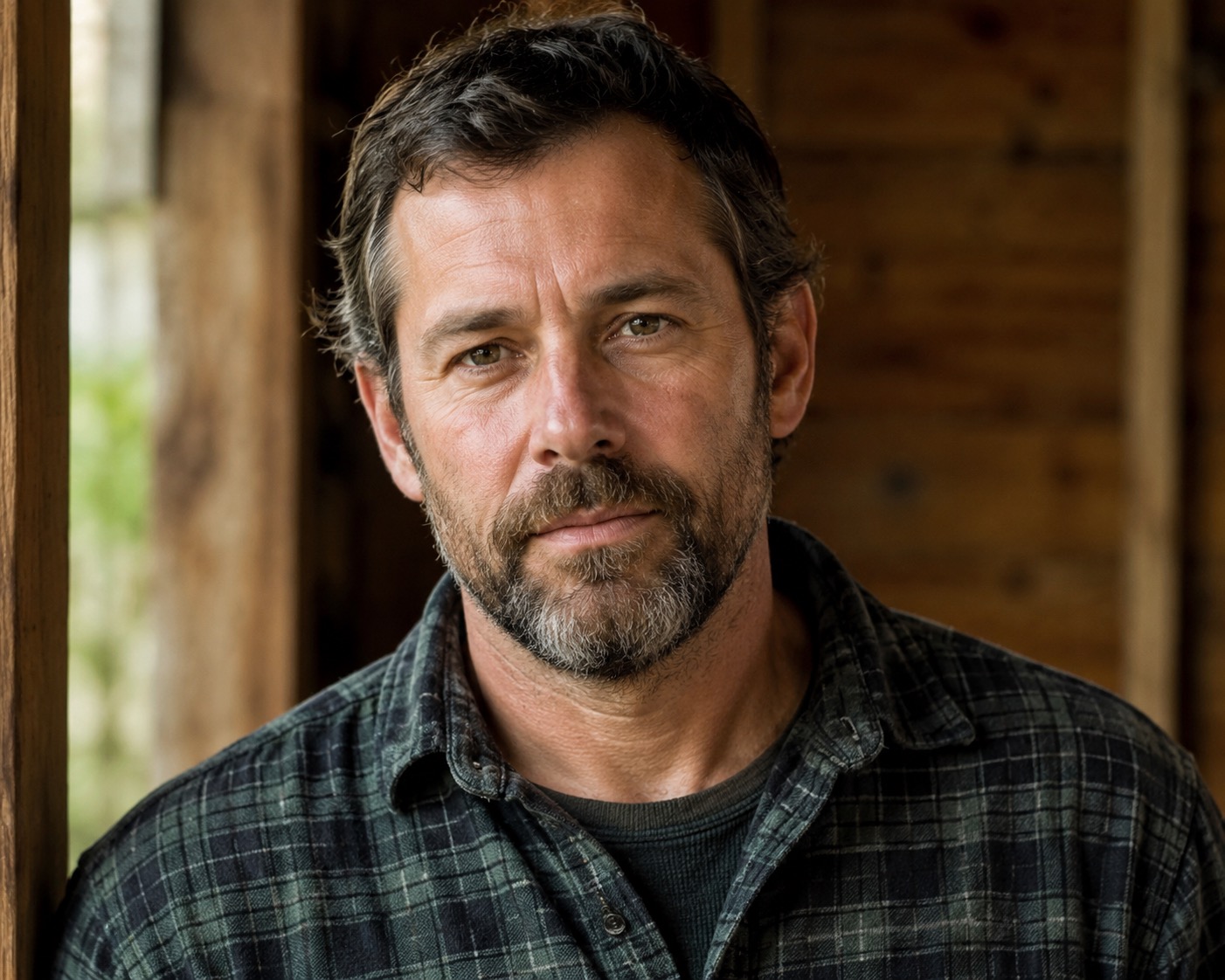
Wilderness survival is a set of skills, not a personality type or a product category. I’m a carpenter who goes into the Shenandoah and the GW on weekends. I’ve learned most of what I know from books, from time in the field, and from being honest about the gaps in my knowledge.
The books listed here represent the best of what I’ve read or referenced over the years. None of them replace practice, but all of them give you something to practice. Start with one, work through it, and add to the library from there.
For a structured approach to building these skills from the ground up, the foundational skills resources on this site are a good place to start before you buy anything.

Frequently Asked Questions
What is the most important survival skill to learn first?
Shelter building is where I’d start. Exposure kills faster than thirst or hunger in most North American conditions. You can go three days without water in mild weather, but a cold, wet night without shelter can become dangerous in hours. Learn to build a debris hut or lean-to from natural materials in your local environment before you focus on fire, water, or food.
Do I need a dedicated survival knife for wilderness emergencies?
A quality fixed-blade knife is genuinely useful, but it doesn’t need to be expensive or purpose-marketed as a survival tool. I’ve used a Mora Companion for years on weekend trips in the GW. It holds an edge, it’s easy to sharpen in the field, and it handles everything from food prep to shelter construction. Buy a good knife, learn to use it, and practice maintenance.
How do I find water in the woods without a filter?
Look for drainages and low ground, listen for moving water, and follow animal trails heading downhill. Once you find surface water, boiling is the most reliable purification method if you don’t have a filter. Bring water to a rolling boil for at least one minute, or three minutes above 6,500 feet elevation. Filtering through cloth removes sediment but does not make water safe to drink without a second treatment step.
Should I stay put or try to walk out if I’m lost?
Stay put in most situations. Search and rescue teams look for people near their last known location, and moving burns energy and increases injury risk. The exception is if you have a confirmed route to safety, you’re physically capable of completing it, and staying put creates a greater risk than moving. Let someone know your plans before any trip into the backcountry.
How much survival knowledge do I realistically need for weekend trips?
For day hikes and weekend camping in established forest areas like the Shenandoah or the Jefferson, you need solid knowledge of shelter, fire, water, and basic navigation. That’s it. You don’t need advanced foraging or long-term survival techniques for a two-night trip with a planned route. Learn the fundamentals well, carry redundant fire-starting tools and a water filter, tell someone your itinerary, and you’ve covered the realistic risk profile of most weekend trips.

<script type="application/ld+json">
{
"@context": "https://schema.org",
"@type": "FAQPage",
"mainEntity": [
{
"@type": "Question",
"name": "What is the most important survival skill to learn first?",
"acceptedAnswer": {
"@type": "Answer",
"text": "Shelter building is where I'd start. Exposure kills faster than thirst or hunger in most North American conditions. You can go three days without water in mild weather, but a cold, wet night without shelter can become dangerous in hours. Learn to build a debris hut or lean-to from natural materials in your local environment before you focus on fire, water, or food. Practice it while you still have daylight and energy to spare."
}
},
{
"@type": "Question",
"name": "Do I need a dedicated survival knife for wilderness emergencies?",
"acceptedAnswer": {
"@type": "Answer",
"text": "A quality fixed-blade knife is genuinely useful, but it doesn't need to be expensive or purpose-marketed as a survival tool. I've used a Mora Companion for years on weekend trips in the GW. It holds an edge, it's easy to sharpen in the field, and it handles everything from food prep to shelter construction. Buy a good knife, learn to use it, and practice maintenance. The brand matters less than the habit of keeping it sharp."
}
},
{
"@type": "Question",
"name": "How do I find water in the woods without a filter?",
"acceptedAnswer": {
"@type": "Answer",
"text": "Look for drainages and low ground, listen for moving water, and follow animal trails heading downhill. Once you find surface water, boiling is the most reliable purification method if you don't have a filter. Bring water to a rolling boil for at least one minute, or three minutes above 6,500 feet elevation. Filtering through cloth removes sediment but does not make water safe to drink without a second treatment step."
}
},
{
"@type": "Question",
"name": "Should I stay put or try to walk out if I'm lost?",
"acceptedAnswer": {
"@type": "Answer",
"text": "Stay put in most situations. Search and rescue teams look for people near their last known location, and moving burns energy and increases injury risk. The exception is if you have a confirmed route to safety, you're physically capable of completing it, and staying put creates a greater risk than moving. Let someone know your plans before any trip into the backcountry. That information is more useful to rescuers than almost anything else."
}
},
{
"@type": "Question",
"name": "How much survival knowledge do I realistically need for weekend trips?",
"acceptedAnswer": {
"@type": "Answer",
"text": "For day hikes and weekend camping in established forest areas like the Shenandoah or the Jefferson, you need solid knowledge of shelter, fire, water, and basic navigation. That's it. You don't need advanced foraging or long-term survival techniques for a two-night trip with a planned route. Learn the fundamentals well, carry redundant fire-starting tools and a water filter, tell someone your itinerary, and you've covered the realistic risk profile of most weekend trips."
}
}
]
}
</script>Where to Buy
101 Skills You Need to Survive in the Woods: The Most Effective Wilderness Know-How on Fire-Making, Knife Work,See 101 Skills You Need to Survive in the… on Amazon