How to Craft Flint and Steel for Fire Making
Affiliate disclosure: Some links on this page are affiliate links. If you buy through them we earn a small commission at no extra cost to you. This never influences which products we recommend — we only suggest things we'd buy ourselves. Product prices and availability are accurate as of the date published and are subject to change. Always check Amazon for current pricing before purchasing. Learn more.
Quick Picks
Home Workshop Blacksmithing for Beginners: How-To Techniques and Projects (Fox Chapel Publishing) Metalworking Skills,
Beginner-focused instruction makes blacksmithing accessible to newcomers
Buy on AmazonSurvival Fire Starter, 4 Inch Ferro Rod, Flint Fire Starters for Hiking and Camping, Flint and Steel Survival Tool with
4 inch ferro rod provides extended strike surface for reliable ignition
Buy on AmazonKuvik High-Carbon Steel Flint Striker for Emergency Fire Starting and Survival
High-carbon steel construction suggests durability and corrosion resistance
Buy on Amazon| Product | Price Range | Top Strength | Key Weakness | Buy |
|---|---|---|---|---|
| Home Workshop Blacksmithing for Beginners: How-To Techniques and Projects (Fox Chapel Publishing) Metalworking Skills, also consider | $$ | Beginner-focused instruction makes blacksmithing accessible to newcomers | Book format limits interactive feedback on technique execution | Buy on Amazon |
| Survival Fire Starter, 4 Inch Ferro Rod, Flint Fire Starters for Hiking and Camping, Flint and Steel Survival Tool with also consider | $$ | 4 inch ferro rod provides extended strike surface for reliable ignition | Ferro rod requires practiced technique to generate consistent sparks | Buy on Amazon |
| Kuvik High-Carbon Steel Flint Striker for Emergency Fire Starting and Survival also consider | $$ | High-carbon steel construction suggests durability and corrosion resistance | Flint strikers require practice and technique to generate reliable sparks | Buy on Amazon |
| 4" Portable Pocket Waterproof Ferrocerium Ferro Rod Fire Starter Survival Tool, Flint and Steel Magnesium Camping also consider | $$ | Waterproof design suitable for wet outdoor conditions | Manual ferro rod requires proper technique and practice | Buy on Amazon |
| 4 Inch Survival Ferrocerium Drilled Flint Fire Starter, Ferro Rod Kit with Paracord Landyard Handle and Striker, also consider | $$ | 4 inch ferrocerium rod provides extended striking surface | Requires manual striking technique and practice to use effectively | Buy on Amazon |
| Texas Bushcraft Fire Starter - 3/8" Thick Ferro Rod with Striker and Paracord Wrist Lanyard – Waterproof Flint Fire also consider | $$ | 3/8 inch thick ferro rod provides extended strike life | Ferro rods require practice and technique to use effectively | Buy on Amazon |
| PSKOOK Flint and Steel Single High Carbon Steel Fire Striker English Flint Stone Emergency Jute Tinder Bushcraft also consider | $$ | High carbon steel construction provides durable fire-starting tool | Manual flint and steel method requires practice and skill | Buy on Amazon |
I learned to start fires with a lighter, same as most people. Then I got curious about doing it the old way, and flint and steel pulled me in hard. There is something about striking a spark from raw stone and carbon steel that cuts through all the noise of modern gear.
Knowing how to craft flint and steel gear and use it well is one of the more satisfying skills in the Fire Making toolkit. It costs almost nothing, it works without fuel, and it will still work in fifty years.
What Flint and Steel Actually Is
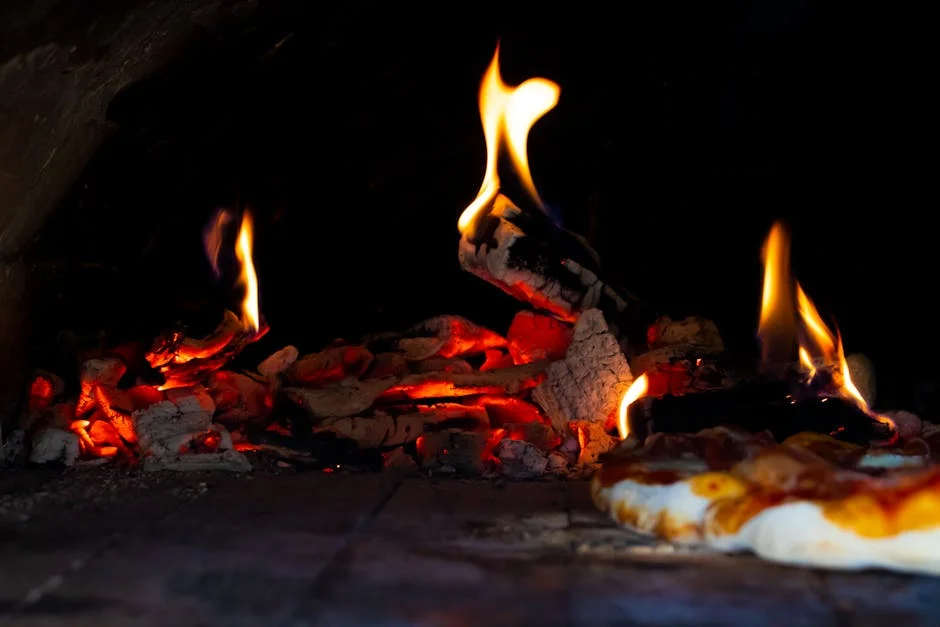
A lot of people mix up flint-and-steel with ferro rod. They are not the same thing. Traditional flint and steel uses a piece of knapped flint (or chert, quartzite, or agate) struck against a high-carbon steel striker. The flint scrapes a tiny curl of steel off the striker. That curl oxidizes instantly in the air and becomes a spark. The spark lands in a char cloth or dried tinder fungus and smolders until you blow it into a flame.
Ferro rod, on the other hand, uses a man-made alloy rod struck with a scraper. It throws bigger, hotter sparks. It is easier for beginners. Both have a place in a kit, and I carry both. But this article focuses on the traditional method, how to make or source a striker, how to make char cloth, and how to put it all together in the field.
The Steel Striker
What Makes a Good Striker
The striker is the key piece. It needs to be high-carbon steel, typically 1075 to 1095 carbon steel. Lower-carbon or stainless steel will not work. The flint needs to scrape a thin sliver of steel away, and high-carbon steel is hard enough to do that cleanly.
Traditional striker shapes fall into two categories. The C-shape or D-shape fits over your knuckles so you can hold it steady. The flat bar shape is simpler to forge but harder to grip under field conditions. I prefer the C-shape. Once you have held one that fits your hand well, you will understand why.
Forging Your Own Striker
You can buy a striker, and I will get to that. But forging your own is within reach if you have a small propane forge or even a solid fire. The basic process: heat a piece of 1084 steel to orange, shape it over an anvil or a railroad track anvil, quench in oil, and temper at around 375 to 400 degrees Fahrenheit. Too soft and it will not spark. Too brittle and it will crack.
If you want to learn the metalworking side, Home Workshop Blacksmithing for Beginners (Fox Chapel Publishing) is the book I point people toward. It is beginner-focused, walks through both technique and actual projects, and does not assume you have a fully equipped shop. My only caveat is that you will need some basic equipment. A small propane forge and an anvil stump will get you started. The book will not hold your hand through setup, but it covers the striking techniques well.
Check current price on Amazon.
Sourcing Flint and Chert
In the Shenandoah Valley and the GW National Forest, good flint and chert are not hard to find if you know what to look for. Look for glassy, fine-grained stone with a conchoidal (shell-like) fracture. Break a piece and look at the fresh edge. If it is sharp like glass, it will work. Quartz and quartzite will spark too, though not as cleanly as good flint.
You do not need to knap a perfect arrowhead. You need one sharp, hard edge. Knock a piece with another rock until you have a clean edge, hold the flint at roughly a 30 to 45-degree angle against the striker, and strike downward. The angle matters more than the force.
Making Char Cloth
Char cloth is carbonized cotton or linen. It catches the tiny spark from flint and steel and holds a slow ember. Without it, traditional flint and steel is nearly impossible in real conditions. You need something to catch the spark.
What You Need
100% cotton or linen fabric. Old denim, cotton t-shirt material, or canvas all work. No synthetics. A small metal tin with a small hole punched in the lid, something the size of an Altoids tin.
The Process
Cut the fabric into squares roughly two inches by two inches. Pack them loosely in the tin. Set the tin on coals or over a small flame. Smoke will come out of the hole. When the smoke stops, the char is done. Let the tin cool completely before opening it. If you open it while hot, the cloth will combust.
Good char cloth is black and fragile. It should glow orange when a spark hits it and hold that glow. If it crumbles to ash when touched, it is over-charred. If it does not catch the spark, it is under-charred.
Using Char Cloth in the Field
Hold the char cloth between your thumb and the flint. Strike the flint against the steel so the spark lands on the cloth. You will see it glow. Fold the cloth into your tinder bundle, lift it to your mouth, and blow a steady, controlled breath into the bundle. When it bursts into flame, set it down and feed it.
Mors Kochanski covers this in detail in “Bushcraft.” If you have not read that book, get it. His section on fire by friction and traditional ignition methods is more thorough than anything I could put here.
Buying Guide: Flint and Steel Gear Worth Carrying
High-Carbon Steel Strikers
The striker is not a place to cut corners. The only variable that matters is carbon content. A striker made from genuine high-carbon steel will outlast you. One made from low-grade mystery metal will frustrate you the first cold morning you try to use it. If you are buying rather than forging, look for sellers who specify the steel type. Most good bushcraft strikers are in the mid-range price band.
Traditional strikers are compact and nearly indestructible. I keep one in my fire kit alongside char cloth and a piece of good flint I found along the North Fork of the Shenandoah. The whole package fits in a 4x3 inch tin.
Skill matters more than gear here. Spend more time practicing than shopping. A quality striker combined with good char cloth and sharp flint will outperform an expensive kit used poorly. The Fire Making fundamentals do not change, no matter what striker you are holding.
Ferro Rods as a Complement
Ferro rods are not traditional flint and steel, but they belong in a conversation about spark-based fire starting. They throw a hotter spark over a wider area, which makes them easier to use with loose tinder. I carry one as a backup and use it more often in wet conditions where my char cloth is borderline damp.
A 3/8-inch rod will last far longer than you think. Thin rods wear faster and can be awkward to grip with cold hands. Paracord handles help grip in the wet. Waterproof construction is worth prioritizing in a region like the Jefferson National Forest, where you can get a soaking rain any month of the year.
If you are new to spark-based fire starting, practice with a ferro rod first. Get comfortable with the angle, the pressure, and the follow-through. Then take those mechanics back to traditional flint and steel.
Complete Kits Versus Individual Components
Complete kits (striker, stone, and tinder included) make sense for beginners because they take the sourcing problem off the table. A kit that includes jute tinder gives you something that works right away while you learn to make char cloth. The downside is that jute burns fast and is not a substitute for char cloth in cold, damp conditions.
Buying components separately gives you more control. You can source good flint locally, forge or buy a quality striker, and make your own char cloth from materials you already trust. That approach costs less over time and produces a more reliable kit.
Tinder and Fire-Lay Considerations
No striker, ferro rod, or piece of flint fixes a bad tinder bundle. This is where most beginners fail. The tinder bundle needs to be dry, finely fibered, and shaped to hold the ember and receive airflow. I use dried cedar bark shredded fine, dry cattail fluff, or dried grass twisted into a bird’s nest shape.
In the Shenandoah and GW, birch bark is available and works well as a fire lay starter once you have a flame going. It does not catch a spark well on its own. Think of your fire starting in three stages: spark, ember, flame. Each stage needs the right material.
Practice Conditions
Practice at home before you need this in the field. Light conditions, no wind, dry char cloth. Get the strike motion down until it is automatic. Then practice in your yard on a cold morning. Then try it after your hands have been wet.
Field conditions will always be harder than home practice. If you can reliably make fire in your driveway at 35 degrees with slightly damp char cloth, you are in reasonable shape for a trip into the Jefferson or the GW.
Top Picks
PSKOOK Flint and Steel Single High Carbon Steel Fire Striker
The PSKOOK Flint and Steel Single High Carbon Steel Fire Striker is the closest thing on this list to a traditional kit. It includes a high-carbon steel striker, a piece of English flint, and jute tinder. The high-carbon steel construction is the right material for the job. The jute tinder will get you started while you learn to make char cloth.
The jute is a placeholder, not a long-term solution. Practice with the included flint, then start sourcing local stone once you know what a good strike feels and sounds like. The compact size is right for a fire tin or a small kit pouch.
Check current price on Amazon.
Kuvik High-Carbon Steel Flint Striker
The Kuvik High-Carbon Steel Flint Striker is a no-fuel, no-battery tool made from high-carbon steel. What I like about it is the material specification up front. Most cheap strikers dodge that question. High-carbon construction means it should throw a usable spark against good flint. It is compact enough to fit in any kit.
The honest limitation is that any flint striker requires practice. Do not buy this expecting to use it reliably on your first outing. Buy it, take it home, and spend an hour in the backyard with it before you rely on it in the field.
Check current price on Amazon.
Texas Bushcraft Fire Starter 3/8” Ferro Rod
The Texas Bushcraft Fire Starter is a 3/8-inch ferro rod with a striker, paracord lanyard, and waterproof design. The 3/8-inch diameter is a good size. Thin rods are awkward with cold or wet hands. The paracord lanyard keeps it attached to your kit so you are not digging for it.
Waterproofing matters if you spend time in the Appalachians. The rod itself will not corrode, but a waterproof storage solution for the whole kit is worth having. This is a mid-range option that covers the basics without gimmicks.
Check current price on Amazon.
4 Inch Survival Ferrocerium Drilled Flint Fire Starter
The 4 Inch Survival Ferrocerium Drilled Flint Fire Starter comes with a paracord lanyard handle and a striker. The 4-inch length gives you more striking surface and more total strikes over the life of the rod. The drilled end lets you attach it to a lanyard or a zipper pull so it stays accessible.
The included striker is a scraper-style blade, which is the correct tool for a ferro rod. Do not use your knife spine if you can avoid it. It rounds off your edge faster than you think.
Check current price on Amazon.
4” Portable Pocket Waterproof Ferrocerium Ferro Rod Fire Starter
The 4” Portable Pocket Waterproof Ferrocerium Ferro Rod Fire Starter combines a ferro rod with a magnesium block for dual ignition methods. The waterproof design and pocket size make it a reasonable backup fire starter. Magnesium shavings catch a spark well and burn hot, which helps with damp tinder.
The dual-method approach is useful if you are still building confidence with spark-based ignition. Shave a small pile of magnesium, land your ferro spark on the pile, and even marginal tinder will catch. It is a helpful bridge technique.
Check current price on Amazon.
Survival Fire Starter 4 Inch Ferro Rod
The Survival Fire Starter 4 Inch Ferro Rod markets itself as a dual flint and steel mechanism. At 4 inches it gives you a solid striking surface. The compact size works for hiking and camping use, and it fits easily in a chest pocket or a pack lid.
Unknown brand means I cannot tell you how the customer support experience goes if something fails. That said, ferro rods are simple tools. There is not much to go wrong if the rod material is correct. Buy it, test it at home before a trip, and you will know quickly whether it performs.
Check current price on Amazon.
Home Workshop Blacksmithing for Beginners (Fox Chapel Publishing)
If you want to forge your own striker, Home Workshop Blacksmithing for Beginners is the book I recommend for starting out. Fox Chapel Publishing puts out solid craft instruction, and this one is aimed at beginners without talking down to them. It walks through techniques and actual projects, which means you are learning in context rather than in the abstract.
The limitation is that a book cannot watch your technique and correct you. You will need to put in reps and troubleshoot on your own, or find a local blacksmith willing to spend an afternoon showing you the basics. Either way, this book gives you a solid foundation.
Check current price on Amazon.
Putting It Together
Learning how to craft flint and steel gear and use it reliably takes more time than most weekend skills. Budget a few sessions just for practice before you lean on it in the field. Make a batch of char cloth, source some local flint or chert, and work through the strike motion until your success rate is consistent.
The reward is a fire-starting method that requires no fuel, no batteries, and nothing you cannot source or make yourself. For everything else in your fire kit, start at the fire making fundamentals hub and build out from there.
Frequently Asked Questions
What kind of steel do I need for a flint and steel striker?
High-carbon steel is the only type that works reliably. You need steel in the 1070 to 1095 carbon range. Lower-carbon steel and stainless steel will not produce a usable spark when struck against flint. The flint scrapes a thin sliver of steel away, and that sliver has to be hard enough to oxidize instantly in air and become a spark.
Can I use any rock as the flint?
You need a hard, glassy stone with a sharp edge. True flint works best, but chert, quartzite, agate, and some forms of jasper will also work. Look for a fresh, sharp edge and a conchoidal (shell-like) fracture pattern when the rock is broken. Rounded river stones and soft sedimentary rocks will not produce sparks.
Is char cloth necessary or can I use other tinder?
Char cloth is the most reliable spark catcher for traditional flint and steel. The spark from a flint striker is small and relatively cool compared to a ferro rod. You need a material that will catch and hold a slow ember. Dried tinder fungus (Fomes fomentarius) works well and Mors Kochanski covers it in detail.
What is the difference between a ferro rod and traditional flint and steel?
A ferro rod is a modern tool made from ferrocerium alloy that throws hot sparks when scraped with a metal striker. Traditional flint and steel uses a piece of high-carbon steel struck against natural stone. Ferro rods are easier to use, throw bigger sparks, and work well with loose tinder like dry grass or jute. Traditional flint and steel requires char cloth or tinder fungus to catch the smaller spark.
How long does it take to get reliable results with flint and steel?
Most people can produce a spark in the first session. Producing a consistent spark that lands on char cloth and catching it reliably takes longer, usually several practice sessions. Cold hands and field conditions add difficulty. Practice at home in good conditions first, then progressively add challenge.
Where to Buy
Home Workshop Blacksmithing for Beginners: How-To Techniques and Projects (Fox Chapel Publishing) Metalworking Skills,See Home Workshop Blacksmithing for Begin… on Amazon