How Do You Start a Fire: Essential Techniques for Outdoors
Affiliate disclosure: Some links on this page are affiliate links. If you buy through them we earn a small commission at no extra cost to you. This never influences which products we recommend — we only suggest things we'd buy ourselves. Product prices and availability are accurate as of the date published and are subject to change. Always check Amazon for current pricing before purchasing. Learn more.
Quick Picks
How Do You Start a Fire with Water? (An Ablaze! Adult Bible Study)
Unique educational approach combines spiritual learning with unconventional fire-starting methods
Buy on AmazonHow to Start a Fire with the Hand Drill
Hand drill mechanism requires no external fuel or tools
Buy on AmazonHow to Start a Fire: 27 Quick Methods To Start Fires Without Lighters (Starting Fires)
27 different methods provides diverse fire-starting options
Buy on Amazon| Product | Price Range | Top Strength | Key Weakness | Buy |
|---|---|---|---|---|
| How Do You Start a Fire with Water? (An Ablaze! Adult Bible Study) also consider | $$ | Unique educational approach combines spiritual learning with unconventional fire-starting methods | Niche religious education product may have limited appeal beyond specific faith communities | Buy on Amazon |
| How to Start a Fire with the Hand Drill also consider | $$ | Hand drill mechanism requires no external fuel or tools | Hand drill technique demands significant practice and physical effort | Buy on Amazon |
| How to Start a Fire: 27 Quick Methods To Start Fires Without Lighters (Starting Fires) also consider | $$ | 27 different methods provides diverse fire-starting options | Instructional book format requires reading versus hands-on tool | Buy on Amazon |
| Sparks Start Fires: A Guide for Dreamers Who Are Also Doctors also consider | $$ | Targets niche audience combining professional and entrepreneurial interests | Narrow subject matter may have limited appeal to general readers | Buy on Amazon |
| How to Start a Fire: 20 Easy Ways to Start a Fire Without Matches also consider | $$ | Provides twenty different fire-starting methods for diverse situations | Book-based format may lack interactive demonstrations or video | Buy on Amazon |
| How To Start A Fire also consider | $$ | Instructional guide directly addresses fire-starting fundamentals | Text-based instruction may lack real-world practice opportunities | Buy on Amazon |
| Fire Starting for Beginners: Master 13 Proven Ways to Start a Fire Without Matches or a Lighter (Chris Michael’s also consider | $$ | Teaches thirteen different fire-starting methods for versatility | Book format requires reading rather than hands-on practice | Buy on Amazon |
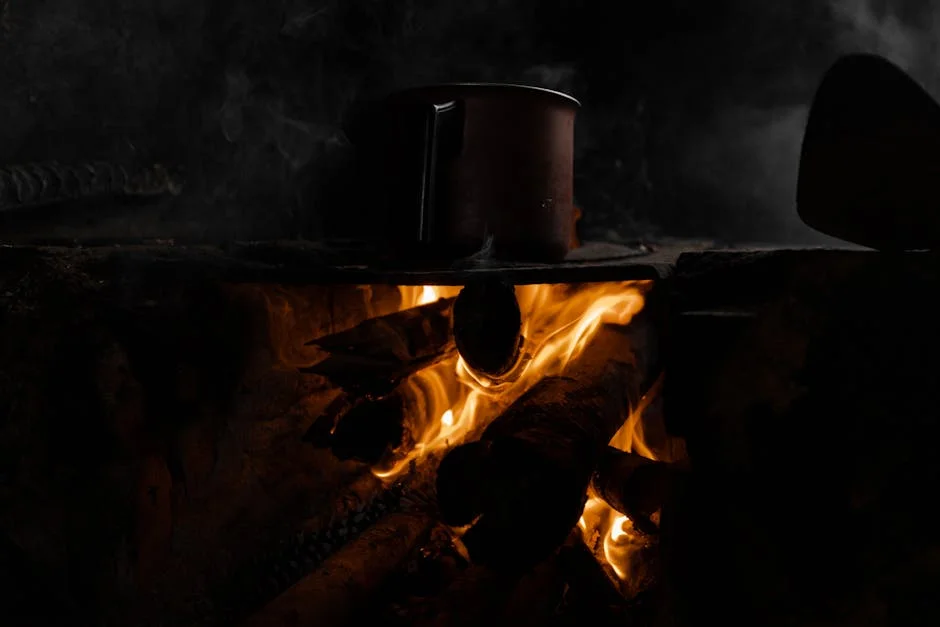
Getting a fire going in the woods is a foundational skill. Whether you’re on a weekend trip into the George Washington National Forest or stuck out longer than planned in the Shenandoah, fire means warmth, cooked food, and a way to signal for help. It’s not complicated, but it does require understanding a few things.
I’ve been building fires since I was a kid, and I still mess up a cold, wet morning more than I’d like to admit. Good technique matters. So does having the right resources to learn from.
What Actually Makes a Fire Start
Before getting into gear or books, understand the fire triangle: heat, fuel, and oxygen. Remove any one of those and the fire dies. Most failed fire starts come down to one of three mistakes: wet fuel, not enough tinder, or smothering the coal before it catches. I’ve made all three.
Fire Making covers a lot of this ground in detail. But the short version is this: start small, go dry, and give the fire room to breathe.
Tinder, Kindling, and Fuel
Tinder is the fine, dry material that catches a spark or a small flame first. I use dried grasses, birch bark, cattail fluff, or fatwood shavings. Kindling is what you graduate to after your tinder is burning, usually pencil-sized sticks no thicker than your finger. Fuel is your larger wood once the fire is established.
Don’t rush past the tinder stage. That’s where most beginners lose the fire. If your tinder bundle isn’t fully caught and you move to kindling too fast, you’ll snuff the whole thing. Take your time. Pack your tinder bundle tight enough to hold a coal but loose enough to get air through it.
Friction Fire vs. Modern Ignition
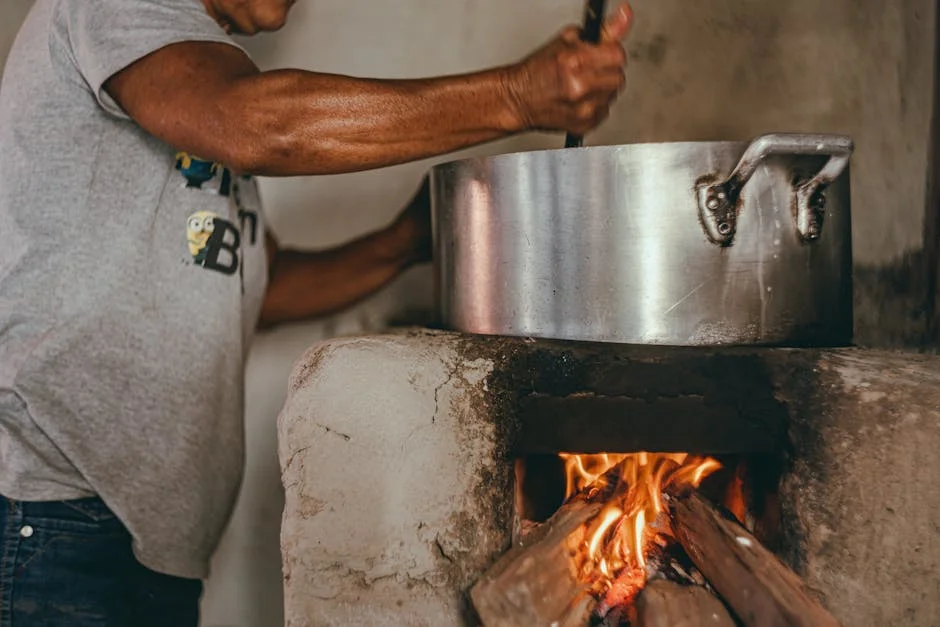
There are two broad categories here. Modern ignition means lighters, matches, ferrocerium strikers. Friction fire means bow drill, hand drill, or fire plow, using nothing but dry wood and physical effort.
I carry a BIC classic lighter and a Light My Fire Scout 2.0 ferro rod as backup. That covers me for 99 percent of trips. Friction fire is something I practice because I want to know how, not because I plan to rely on it in the GW on a November morning. The honest truth is that hand drill fires take real skill and specific wood combinations. It’s worth learning, but don’t count on it until you’ve put in serious practice time.
Buying Guide: Fire-Starting Resources Worth Your Time
Learning fire craft from books has real limits. You can’t feel the resistance of a hand drill through a page. But a well-written book can fill in theory, give you new methods to test, and help you understand why something isn’t working. Here’s what to look for when buying instructional fire-starting resources.
Skill Level Fit
The biggest mistake people make buying instructional books is picking something too advanced or too basic. A beginner needs clear, step-by-step explanation with attention to why each step matters, not just what to do. An experienced outdoorsperson might want a reference covering edge-case methods. Check the table of contents before buying if you can. Look for books that separate primitive methods from modern methods clearly.
If you’re just starting out, focus on resources that explain the fire triangle, tinder preparation, and at least three reliable ignition methods. That foundation covers most real-world situations in the Shenandoah or the Jefferson National Forest without overcomplicating things.
Number of Methods vs. Depth of Instruction
More methods is not always better. A book covering 27 fire-starting techniques sounds impressive, but if each method gets a half-page treatment, you’re not getting enough to actually succeed in the field. I’d rather have five methods explained thoroughly than twenty methods skimmed. Look for books that include material selection advice, weather considerations, and troubleshooting tips.
Depth matters especially for primitive methods like hand drill or bow drill. Learning the craft of fire making requires repetition and feedback, neither of which a book can fully provide. But a book that explains why your hand drill attempt failed, whether it’s wood moisture, spindle diameter, or technique, can cut your learning curve.
Author Credentials and Teaching Clarity
This one is hard to judge from a cover. I pay attention to whether an author explains the reasoning behind what they teach. Anyone can list steps. Fewer people can explain why the steps work and what to do when they don’t. Mors Kochanski’s work on boreal bushcraft is the standard I hold things against. Clear language, no fluff, grounded in real conditions.
For friction fire specifically, I’d look for an author who acknowledges that conditions vary and who lists specific wood species by region. Vague advice like “use dry softwood” doesn’t help you when you’re standing in the Virginia woods trying to figure out if that tulip poplar is going to work.
Format and Portability
Some of these books are short enough to pack. Others are reference volumes you read at home and leave on the shelf. Both have value. If you want something to study before a trip, a longer format works. If you want something lightweight to carry in your pack for reference, look for slim guides or ebook formats that load on your phone.
I keep most of my reference reading at home. In the field, I rely on what I’ve already practiced. But having gone through a good book before a trip absolutely changes how well I perform in the woods.
Top Picks
How to Start a Fire with the Hand Drill
How to Start a Fire with the Hand Drill is the most specific book on this list, and that specificity is what makes it worth mentioning. Hand drill fire is the hardest primitive method to master. It requires the right wood pairing, dry conditions, correct spindle diameter, proper body mechanics, and consistent downward pressure while spinning. A lot of things have to work at once.
This book focuses entirely on that one technique, which I respect. If you’re serious about primitive fire, you need that level of focus. I haven’t mastered hand drill myself. I’ve had success with bow drill in the GW using basswood and white cedar, but hand drill requires drier conditions and more refined form than I’ve put in the time to nail down. This is the kind of resource I’d use to study before a dedicated practice session, not as a quick reference.
Check current price on Amazon.
How to Start a Fire: 27 Quick Methods To Start Fires Without Lighters
How to Start a Fire: 27 Quick Methods To Start Fires Without Lighters covers a wide range of ignition methods, which has obvious appeal if you’re trying to build a broad base of knowledge fast. Twenty-seven methods is a lot. The value here depends entirely on whether the explanations have enough depth to be useful in the field or whether each method gets a paragraph and a photo.
For someone who already understands the fundamentals and wants to test new techniques on weekends, a book like this could be a useful checklist. For a true beginner, I’d worry it becomes overwhelming. There’s a version of reading this where you come away thinking you know twenty-seven ways to start a fire but haven’t practiced any of them enough to rely on them. Use it as a survey, then pick two or three methods to actually drill.
Check current price on Amazon.
How to Start a Fire: 20 Easy Ways to Start a Fire Without Matches
How to Start a Fire: 20 Easy Ways to Start a Fire Without Matches is another multi-method guide, this one landing at twenty techniques. The promise of “easy” in the title is the kind of marketing language that makes me cautious, because very few fire-starting methods are easy until you’ve put in practice time. But easy relative to starting from zero with no instruction is a different thing.
If this book delivers clear sequential instruction with enough context to troubleshoot failures, it could work well for a beginner who wants to understand their options before committing to one method to practice. The overlap with other books on this list is real, so I’d pick one multi-method guide and go deep with it rather than buying several.
Check current price on Amazon.
Fire Starting for Beginners: Master 13 Proven Ways to Start a Fire Without Matches or a Lighter
Fire Starting for Beginners: Master 13 Proven Ways to Start a Fire Without Matches or a Lighter has a title that does exactly what a beginner-focused book should do: sets expectations and narrows scope. Thirteen methods is a manageable number. The word “master” is doing a lot of work in that title, and I’d temper that expectation, but thirteen well-explained techniques is more practical than twenty-seven thinly covered ones.
The beginner framing is either an asset or a liability depending on where you are. If you’re new to fire craft, having a resource that assumes no prior knowledge and builds from the ground up is genuinely useful. If you’ve already been making fires for a few seasons, you’ll probably find most of this material familiar. I’d lean toward this one for someone just starting out.
Check current price on Amazon.
How To Start A Fire
How To Start A Fire is a general instructional guide covering the fundamentals. Without more detail on the table of contents, I can’t tell you exactly what it covers or how deep it goes. What I can say is that a straight-forward fundamentals guide has real value if it’s written clearly and covers tinder prep, fire lay types, and basic ignition methods with enough explanation to understand the why behind each step.
This is the kind of book I’d recommend reading before your first season camping, not as a substitute for actual practice but as a way to build mental framework. Understanding why a teepee fire lay works differently than a log cabin lay changes how you approach building a fire in different conditions.
Check current price on Amazon.
How Do You Start a Fire with Water? (An Ablaze! Adult Bible Study)
How Do You Start a Fire with Water? (An Ablaze! Adult Bible Study) is not a bushcraft resource. I want to be straight with you on that. This is a Bible study series using fire as a metaphor. It’s not going to teach you to build a fire in the Jefferson National Forest. If you’re here for practical woods skills, this isn’t the product for you.
That said, I included it because it shows up in searches for this topic and I’d rather you know what it is before buying. If you’re involved in adult faith education and the metaphorical angle is exactly what you’re looking for, it may well be a solid resource in that context. Just don’t expect any instruction on tinder bundles or ferro rods.
Check current price on Amazon.
Sparks Start Fires: A Guide for Dreamers Who Are Also Doctors
Sparks Start Fires: A Guide for Dreamers Who Are Also Doctors is another book that showed up in fire-starting search results but belongs to a different category entirely. This one targets physicians interested in entrepreneurship or professional creativity. The fire language is metaphorical.
Same disclaimer as the Bible study above: if that’s your interest, the niche is tight enough that it might be exactly what you need. If you’re a doctor who also does weekend bushcraft and you’re curious about the entrepreneurial angle, maybe it’s a two-for-one. But it won’t help you light a fire in damp conditions in the Shenandoah, and I’d be doing you a disservice by implying otherwise.
Check current price on Amazon.
Putting It Together
The books that belong on your shelf are the ones focused on primitive technique and the multi-method guides that go deep rather than wide. If I were starting from scratch, I’d pick one beginner-friendly fundamentals guide and one friction fire focused resource, read both before the season starts, then spend the weekends actually practicing what I read.
For everything else related to building and sustaining fire in the field, the Fire Making section of this site covers technique in detail, from tinder bundles to fire lays to wet-weather strategies.
The goal is to never be cold and fireless in the woods. Books help. Practice is what actually gets you there.
Frequently Asked Questions
What is the easiest way to start a fire for a beginner?
A BIC lighter or a book of waterproof matches combined with a dry tinder bundle is the most reliable starting point for beginners. Focus first on building a good tinder bundle from dry grasses, birch bark, or fatwood shavings. Get your kindling staged before you light anything. The lighter is easy.
Is a ferro rod better than a lighter for camping?
A lighter is faster and more reliable in most conditions. A ferro rod is more durable long-term and works when wet, which matters if your lighter fails. I carry both: a BIC as my primary and a Light My Fire Scout 2.0 as backup. The ferro rod takes more practice to use effectively, especially for generating sparks into a tinder bundle, so learn it before you need it.
How long does it take to learn friction fire?
Bow drill can take weeks of dedicated practice before you produce a reliable coal. Hand drill takes most people longer. Variables like wood moisture, species selection, and technique all stack against you early on. Lars Fält’s instructional work is worth looking at for friction fire fundamentals.
What wood works best for starting a fire by friction?
Matching species is critical. You need a dry, relatively soft wood for both the fireboard and spindle, and they should be the same or similar density. Basswood, cottonwood, willow, and white cedar are commonly recommended in the eastern United States. Avoid green wood entirely.
Can you learn fire starting from a book alone?
A book can teach you the theory, terminology, and sequence of steps. It cannot replace physical practice or feedback from someone watching your technique. You can read everything written about bow drill and still fail your first twenty attempts. Use books to build understanding before you go out and practice.
Where to Buy
How Do You Start a Fire with Water? (An Ablaze! Adult Bible Study)See How Do You Start a Fire with Water? (… on Amazon