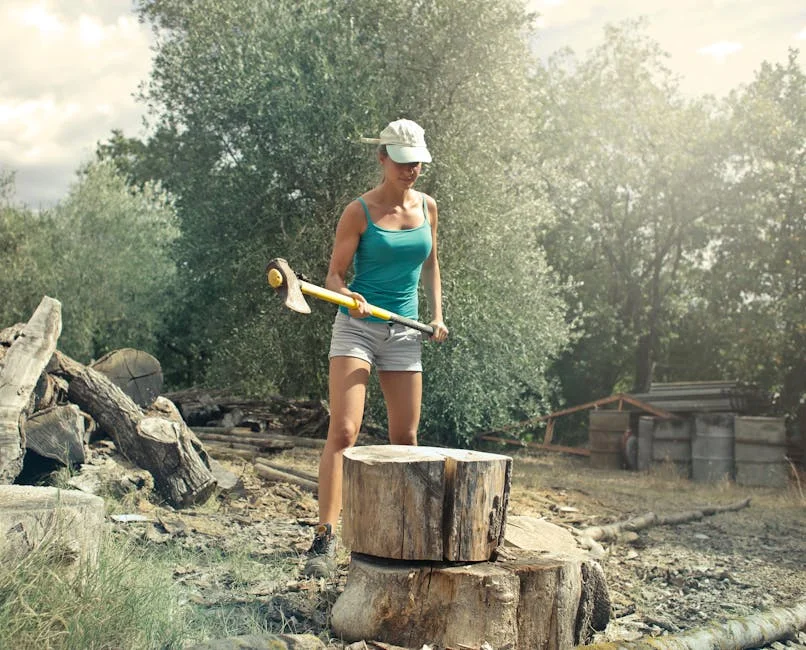
Gransfors Bruks Axe Review: Small Forest vs Scandinavian

Affiliate disclosure: Some links on this page are affiliate links. If you buy through them we earn a small commission at no extra cost to you. This never influences which products we recommend — we only suggest things we'd buy ourselves. Product prices and availability are accurate as of the date published and are subject to change. Always check Amazon for current pricing before purchasing. Learn more.
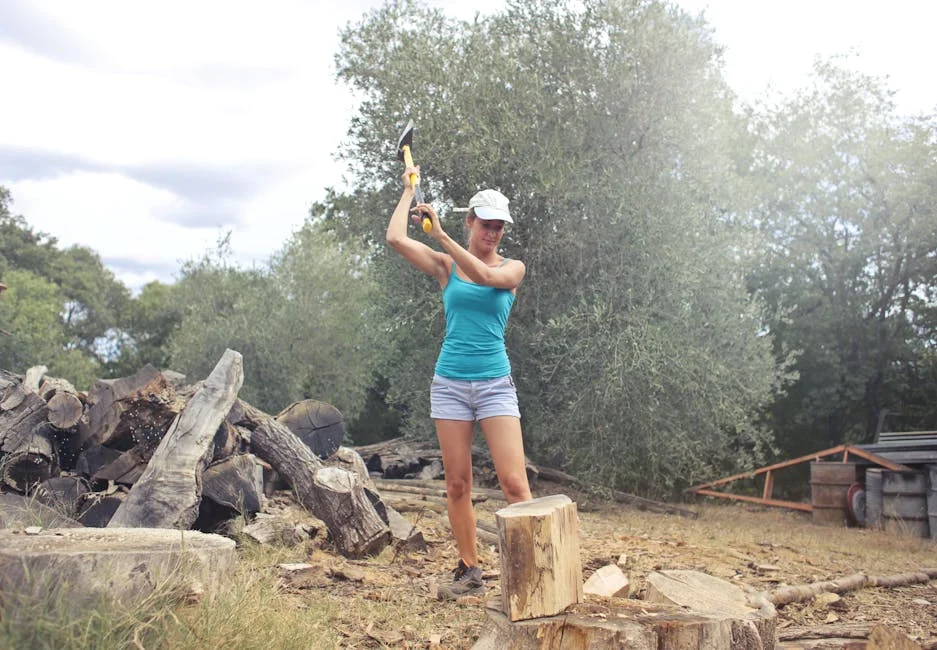
Gransfors Bruks renowned for high-quality Swedish axe craftsmanship
See Gransfors Bruks Small Forest Axe 19 I… on AmazonGransfors Bruks axes have a reputation that doesn’t need much defending. The Swedish smithy has been forging axes since 1902, and the work still shows — each head is hand-finished by a named smith, and the steel holds an edge in a way that cheap hardware-store axes simply don’t. If you’re serious about axes for bushcraft and forestry work, Gransfors Bruks is a name you’ll keep running into.
The question most buyers face isn’t whether to get one — it’s which one. The 19-inch Small Forest Axe and the 25-inch Scandinavian Forest Axe solve different problems, and there’s also a bundle worth knowing about.
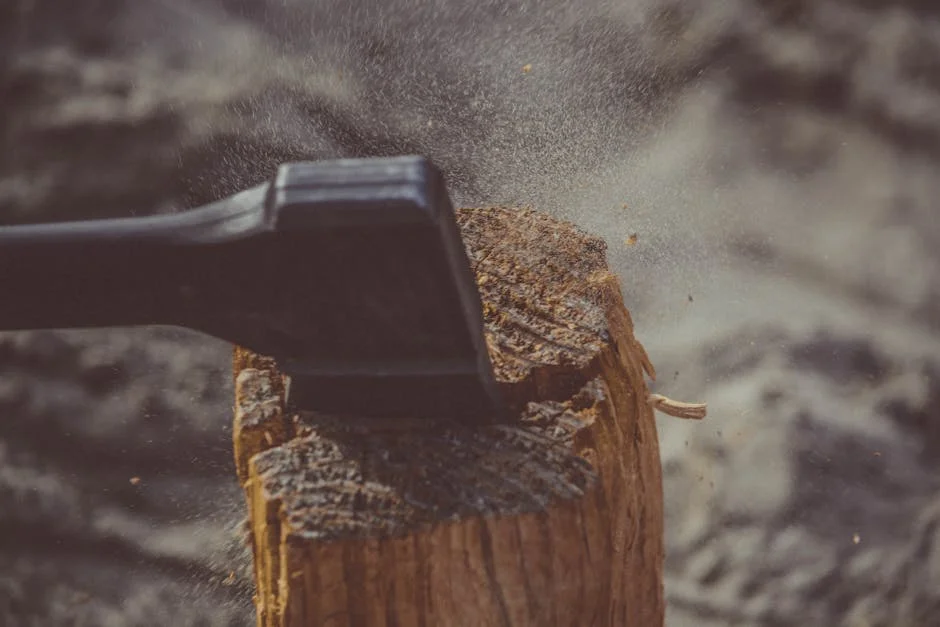
What to Look For in a Gransfors Bruks Axe
Handle Length and the Work It Determines
Handle length isn’t just about reach. It dictates the mechanics of your swing, the fatigue you’ll carry home, and what tasks the axe can realistically do in the woods. A 19-inch handle keeps your elbow close to the work — good for limbing, felling small diameter wood, and camp tasks where precision matters more than power. A 25-inch handle opens up the arc, puts more velocity behind the bit, and gives you enough leverage to work on larger material without wearing yourself out trying to compensate for an undersized tool.
The tradeoff is always control versus power. Shorter handles give you more of the former. If most of your time is spent processing firewood at a basecamp or doing trail clearing work, the longer axe earns its weight. If you’re packing light and moving through terrain, the shorter one makes more sense in the pack.
Head Weight and Balance
Gransfors Bruks is particular about balance, and you feel it the first time you pick one up. The heads are ground and fitted by hand, which means the balance point isn’t an afterthought. Head weight in this range runs between 1.5 and 2 pounds for these forestry models — light enough for sustained use, heavy enough to do real work.
Balance is where a lot of cheaper axes fail. A head that runs too heavy forward tires your wrist; one that’s too light makes you over-swing to compensate. Spending time with a well-balanced axe teaches you what to expect from your tool, and Gransfors Bruks axes are consistent enough that moving between models in the same line feels familiar rather than foreign.
Steel Quality and Edge Retention
The steel Gransfors Bruks uses is a Swedish-made, high-carbon formula that takes a fine edge and holds it through extended use. They heat-treat each head individually. That matters more than most buyers realize — batch heat-treating introduces inconsistency, and you don’t know which end of the bell curve you’ve landed on until you’ve used the axe hard for a while.
The edge on a Gransfors Bruks axe comes from the factory sharp enough to shave with. It will dull with use like any other axe, but it sharpens back quickly with a ceramic or diamond stone. I keep a small ceramic stone in my pack specifically because field sharpening a Gransfors Bruks is quick — the geometry is consistent and the steel responds predictably. Understanding axe maintenance before you buy makes the ownership experience considerably better.
The Sheath and Long-Term Care
Every Gransfors Bruks axe ships with a vegetable-tanned leather sheath. These sheaths are well-made and protect the edge in transit, but they require occasional conditioning with leather treatment to stay supple. Leaving them wet without treatment will harden and crack them over time. The sheaths are also replaceable — Gransfors Bruks sells them separately if you lose one or wear one out.
The handle is American hickory, straight-grained and properly fitted at the factory. Most failures in an axe handle come from misuse — driving the axe into material below the bit, leaving it in standing water, or hanging it in the sun during hot summers. Gransfors Bruks sells replacement handles and will regrind heads that have been nicked. The company stands behind the tools in a way that justifies the investment.
Top Picks
Gransfors Bruks Small Forest Axe 19 Inch, 420
The Gransfors Bruks Small Forest Axe 19 Inch, 420 is the right starting point for most buyers. Nineteen inches is long enough to do real work and short enough to move with — it rides on the side of a pack without becoming an annoyance on the trail. The 1.5-pound head is hand-forged, hand-ground, and signed by the smith who finished it. That last part isn’t marketing — it’s accountability built into the manufacturing process.
The tasks this axe handles well are the ones that make up most of a bushcraft trip: limbing, splitting kindling, notching, felling trees under four or five inches in diameter. It’s not the right tool for working through large rounds of hardwood. The geometry isn’t designed for splitting, and pushing it into that role tires you out faster than using a proper splitting axe or maul. Used within its design intent, it’s one of the most satisfying tools in the category.
The hickory handle has a pronounced flare at the bottom that prevents the axe from slipping even when your grip loosens during a tired swing. The convex grind on the bit reduces binding in green wood, which matters when you’re cutting limbs from a freshly felled tree. After a few hours of steady use, a couple of strokes on a ceramic stone brings the edge back to working sharpness without drama.
Check current price on Amazon.
Gransfors Bruks Scandinavian Forest Axe 25 Inch, 430
The Gransfors Bruks Scandinavian Forest Axe 25 Inch, 430 is the longer, heavier option in the Gransfors Bruks forestry line, and it’s built for more demanding work. The 25-inch handle puts significantly more power behind each swing, and the 2-pound head makes itself felt when you’re working through larger material. This is the axe for someone who is processing wood, not just making camp.
The balance on the Scandinavian Forest Axe is well-managed despite the added length. Gransfors Bruks achieves this by keeping the head weight proportional — it doesn’t feel front-heavy at full swing, which is where a lot of longer axes become fatiguing over time. That said, extended overhead limbing work will tire your shoulders faster with a 25-inch axe than with the 19-inch version. It’s physics, not a flaw in the tool.
I haven’t carried this one on the trail as much as the Small Forest Axe — the added length and weight adds up when you’re moving through the Alleghenies and already carrying a full pack. For basecamp work or situations where you’re driving to the put-in and not covering many miles with the axe on your back, the Scandinavian Forest Axe gives you noticeably more capability per swing.
Check current price on Amazon.
Gransfors Bruk Small Forest Axe (420) with Ceramic Grinding Sharpening Stone (4034) - Bundle
The Gransfors Bruk Small Forest Axe (420) with Ceramic Grinding Sharpening Stone (4034) - Bundle pairs the 420 Small Forest Axe with Gransfors Bruks’ own ceramic sharpening stone. If you don’t already own a proper stone for field sharpening, this bundle makes the decision simple — the stone is the right tool for this axe, the fit between them is intentional, and you don’t have to figure out which aftermarket stone is compatible.
The ceramic stone Gransfors Bruks packages with this bundle is small enough to carry and coarse enough to remove a significant nick in the field, not just touch up an already-sharp edge. That distinction matters. A strop works for daily maintenance; a stone works when the edge has taken real damage. Having both options covered from the start means you’re not hunting for a replacement the first time you bury the bit in a hidden knot.
This bundle makes the most sense for someone buying their first Gransfors Bruks axe who doesn’t have a sharpening kit already. If you’ve been using axes long enough to have stones you trust, the standalone 420 is the same axe and doesn’t require you to buy redundant equipment. For the buyer who is starting from scratch, the bundle removes a decision and delivers everything needed to keep the axe in working condition.
Check current price on Amazon.
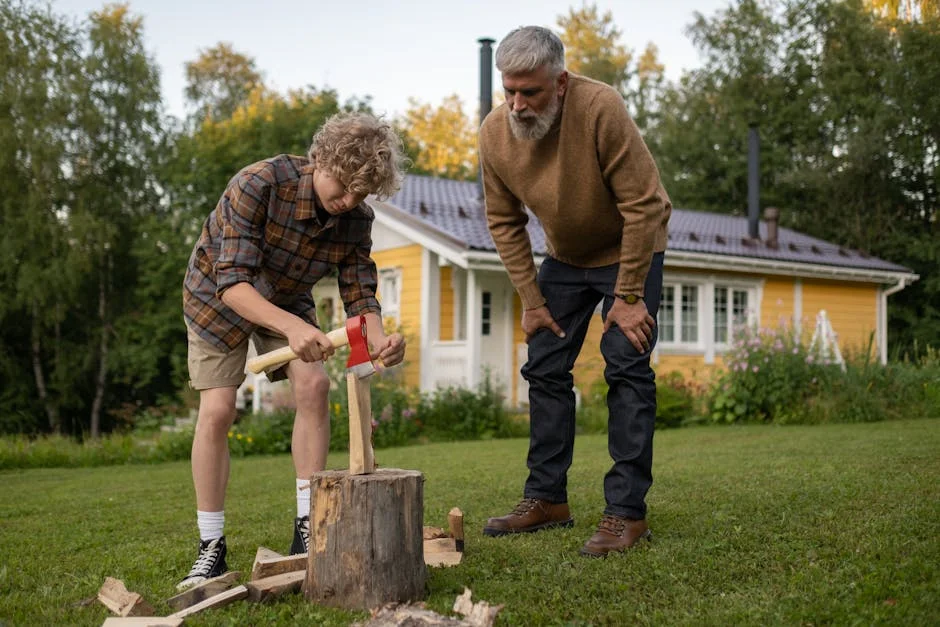
Buying Guide
Choosing Between the 19-Inch and 25-Inch
The honest answer is that the right length depends on how you use the axe more than on which one sounds better. If you’re moving through terrain with the axe on your pack, the 19-inch Small Forest Axe is easier to carry and still capable of most camp-scale tasks. If you’re working from a fixed base and processing larger amounts of wood, the 25-inch Scandinavian Forest Axe gives you more capability without demanding proportionally more effort. Both are well-made tools. The question is which tasks you actually face.
Most weekend bushcrafters are better served by the 19-inch. The tasks that the 25-inch handles better — sustained felling and splitting of larger material — come up less often on a three-day trip than camp processing and kindling work, which the 19-inch manages cleanly. Buy the longer axe if you know from experience that you’ll be working harder wood in larger quantities.
Packing Weight Considerations
For anyone who covers significant ground on foot, the weight difference between these two axes is real. The Small Forest Axe runs lighter and shorter, which matters over miles of rough trail. The Scandinavian Forest Axe adds length and weight that you feel by the end of the day. Neither is a heavy axe by any standard — but light is always relative to what else is in the pack and how far you’re going.
I carry the 19-inch into the GW on weekend trips because I’m already carrying enough. The 25-inch stays at camp or goes in the truck when I’m not covering miles. That’s not a knock on the Scandinavian Forest Axe — it’s the right tool for a different situation. Reviewing the full range of bushcraft axes before committing helps clarify which format fits your actual use case.
The Bundle Decision
The bundle version of the Small Forest Axe adds a Gransfors Bruks ceramic stone. If you’re new to these axes and don’t have a sharpening kit already, the bundle is a reasonable starting point — the stone is purpose-matched to the axe, and you won’t spend time second-guessing compatibility. If you already own sharpening tools you’re confident with, the standalone 420 is the same axe and saves you the cost of equipment you don’t need.
One thing worth knowing: the ceramic stone in the bundle requires some technique to use well. A coarse back-and-forth motion on a flat stone is not the same as proper axe sharpening, which involves working in a circular or arc motion along the bevel. Gransfors Bruks includes instructions with the bundle that are worth reading before you start.
Edge Maintenance in the Field
Gransfors Bruks axes come sharp from the factory, but regular field maintenance is what keeps them that way. A few strokes on a ceramic stone after each session is enough to stay ahead of the dulling. Waiting until the edge is fully dull requires more work to restore and risks damaging the bevel if you’re using the wrong technique or stone.
The convex grind on Gransfors Bruks forestry axes is not the same as a flat or hollow grind, and it sharpens differently. The goal is to maintain the convex profile across the full width of the bevel, not to create a flat secondary bevel. Gransfors Bruks’ own sharpening guide covers this clearly. Following their technique consistently preserves the geometry the smith set at the factory.
Long-Term Ownership
These axes are built to last decades if they’re maintained. The steel takes a sharp edge and the hickory handles are replaceable when they wear or break. The leather sheaths need periodic conditioning — neglected sheaths crack and lose their protective function. A little neatsfoot oil or leather conditioner a couple of times a year keeps the sheath supple and extends its life considerably.
Gransfors Bruks axes improve with use. The handle develops a patina from hand oils, the sheath conforms to the head, and after several seasons the axe feels fitted to you. That’s a different ownership experience than buying and replacing tools. It’s worth factoring in when you’re comparing the upfront cost against what the tool actually delivers over time.
Frequently Asked Questions
What is the difference between the Small Forest Axe and the Scandinavian Forest Axe?
The main differences are handle length and overall weight. The Small Forest Axe uses a 19-inch handle and a 1.5-pound head, making it more portable and better suited for light camp tasks and limbing. The Scandinavian Forest Axe’s 25-inch handle and 2-pound head give it more power for sustained forestry work and processing larger wood. Both use the same Swedish steel and hand-finishing process.
Is the Gransfors Bruks Small Forest Axe good for splitting firewood?
It handles splitting kindling and smaller diameter pieces well, but it’s not designed for splitting large rounds. The convex grind helps it move through green wood, but the head geometry isn’t optimized for splitting the way a dedicated maul or wedge-poll axe is. For camp-scale splitting of material under four or five inches, the Gransfors Bruks Small Forest Axe is adequate. For heavy splitting work, a purpose-built splitting axe will serve you better.
Is the bundle worth it over buying the axe alone?
If you don’t already own a suitable sharpening stone, yes. The ceramic stone Gransfors Bruks includes is matched to their axes and removes the guesswork from selecting compatible sharpening equipment. If you have a ceramic or diamond stone you already use effectively on high-carbon steel blades, the bundle adds cost without adding capability. Buy based on what’s actually missing from your kit.
How do I know which Gransfors Bruks axe is right for my pack weight budget?
Weight matters most when you’re covering significant distance on foot. The Small Forest Axe is the easier carry for multi-day trips where you’re moving through terrain. The Scandinavian Forest Axe makes more sense when you’re car-camping or working from a fixed base. Think about how far you’ll be walking with the axe on your back before deciding — the difference in handle length and head weight adds up over miles.
How difficult is it to sharpen a Gransfors Bruks axe in the field?
The convex grind takes a little practice to sharpen correctly, but it’s not difficult once you understand the technique. The goal is to maintain the convex profile across the bevel rather than creating a flat secondary edge. A ceramic stone and a circular motion along the bevel face is the standard approach. Gransfors Bruks includes a sharpening guide with their axes — reading it before you’re in the field with a dull edge is time well spent.
Gransfors Bruks Small Forest Axe 19 Inch, 420: Pros & Cons
- Gransfors Bruks renowned for high-quality Swedish axe craftsmanship
- 19 inch length provides balanced control for general forestry work
- Small forest axe limits effectiveness on larger diameter logs
Where to Buy
Gransfors Bruks Small Forest Axe 19 Inch, 420See Gransfors Bruks Small Forest Axe 19 I… on Amazon