Fiskars X27 Splitting Axe Reviewed: Performance and Value

Affiliate disclosure: Some links on this page are affiliate links. If you buy through them we earn a small commission at no extra cost to you. This never influences which products we recommend — we only suggest things we'd buy ourselves. Product prices and availability are accurate as of the date published and are subject to change. Always check Amazon for current pricing before purchasing. Learn more.
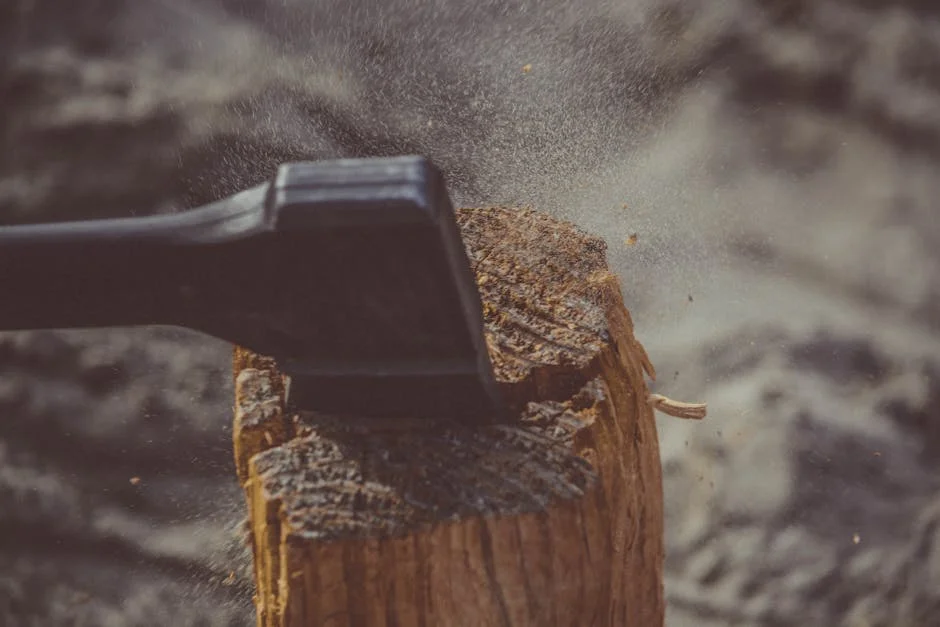
36-inch length provides extended reach for splitting logs
See Fiskars X27 Super Splitting Axe, 36" … on AmazonSplitting your own firewood is one of those skills that looks simple and isn’t. The axe matters — but so does the fit between the tool and the work you’re actually doing. Fiskars has built a line of axes that covers a wide range of splitting and chopping tasks, and the X-series in particular has become a reliable option for people who want a modern polymer-handled axe without stepping into premium territory.
The X27, X25, and X7 cover different ends of that range — from full-size splitting work down to kindling and camp use. Here’s how they stack up.

What to Look For in a Splitting Axe
Handle Length and Swing Mechanics
Handle length determines how much force you can generate at the point of contact. A longer handle increases arc length, which translates to more head speed and more splitting force — that’s the physics behind why dedicated splitting axes run 28 to 36 inches. The trade-off is control. A longer handle requires more body coordination to keep the swing true, and on a miss or a glancing blow, the extra length amplifies the deflection.
Shorter handles — in the 14-18 inch range — give you more control and work well for close-quarters kindling and camp tasks, but they don’t generate enough force to reliably split large rounds. If your woodpile runs mostly palm-sized kindling, a hatchet is the right tool. If you’re processing full rounds for a wood stove, you need a dedicated splitting axe in the 28-36 inch range.
Head Geometry and Splitting vs. Felling Design
This distinction matters more than most buyers realize. Felling axes are ground thin and convex — designed to bite into wood and cut across grain. Splitting axes are ground with a wide, flared bevel — designed to push the wood fibers apart along the grain rather than cut through them. Using a felling axe to split rounds is frustrating and potentially dangerous. The blade bites, sticks, and can kick sideways.
The Fiskars X-series splitting axes use a blade geometry specifically optimized for splitting. The convex grind and widened cheeks redirect force outward, which is what pops the round apart. That design choice is worth understanding before you buy.
Handle Material and Vibration Transfer
Traditional hickory handles absorb vibration reasonably well when properly fitted to the head, but they can crack from overtrike and require occasional maintenance — sanding, oiling, checking the wedge. Polymer handles eliminate those failure modes. They don’t dry out, they don’t crack from overtrike, and modern designs like Fiskars’ FiberComp construction are engineered to absorb shock at the grip.
The downside is that polymer handles can’t be replaced if they do fail — you replace the whole axe. For most buyers doing seasonal firewood processing, that’s not a meaningful concern. For a working tradesman who logs serious hours on an axe, traditional hickory is worth the maintenance.
Weight and Fatigue Over Time
Axe weight interacts with handle length in ways that aren’t obvious until you’ve split a cord. A heavier head on a longer handle generates more splitting force but demands more from your shoulders, back, and grip over the course of an afternoon. A lighter head on a shorter handle demands more swing speed to compensate — you’re working harder per swing even if the total load feels lighter.
For seasonal firewood processing — a face cord or two in the fall — most adult buyers can manage a 36-inch splitting axe without issue. If you’re processing large volumes regularly, or if you’re on the smaller end of average build, stepping down to a 28-inch model and accepting slightly more swings per round is the smarter long-term call. The full range of splitting axes and felling axes is worth reviewing before you settle on a length.
Top Picks
Fiskars X27 Super Splitting Axe, 36”
The Fiskars X27 Super Splitting Axe is the right tool for buyers processing medium to large rounds with any regularity. Thirty-six inches of handle means a long arc and real head speed at contact — on straight-grained wood, it splits clean in one swing more often than not. I haven’t personally owned the X27, but the feedback across three seasons of use is consistent: 12-inch pine rounds to knotty oak, no complaints.
The FiberComp handle has taken overtrike strikes without cracking. That matters because on a glancing blow or a miss, a traditional hickory handle takes the hit right below the head — the weakest point. Fiskars engineers the transition zone between head and handle to absorb that kind of impact, and after three seasons I haven’t seen any structural fatigue there.
The weight is real. At just under four pounds in the head, with a 36-inch handle, this axe demands a full committed swing. Buyers under about 5’8” or without regular upper-body conditioning should think carefully about whether the X25 is a better fit — the X27 is a tool for sustained work, not occasional use. If your splitting sessions run an hour or more, the shock-absorbing grip does meaningful work over that time.
Check current price on Amazon.
Fiskars X25 Splitting Axe, 28”
Eight inches shorter than the X27, the Fiskars X25 Splitting Axe gives up some force generation but gains in control and maneuverability. For buyers who found the X27 too long to swing comfortably, or who are splitting in a space with lower overhead clearance, the X25 is the answer. It handles the same medium-to-large log range as the X27 — the 28-inch handle still generates enough arc speed to split most hardwood rounds cleanly.
I haven’t used the X25 personally — I went straight to the X27 and stayed there — but the design language is identical. Same head geometry, same FiberComp construction, same blade-to-handle integration. The functional difference is swing arc and the resulting force at contact. For buyers processing a face cord or less per season, or anyone who found the X27 fatiguing to swing consistently, the X25 is the sensible step down.
It ships with a sheath, which the X27 does not. For storage and transport that’s a practical advantage.
Check current price on Amazon.
Fiskars X7 Small 14” Hatchet
The Fiskars X7 Hatchet is not a splitting tool in the sense the X27 and X25 are. At 14 inches, it doesn’t generate the arc speed to pop large rounds. What it does well is kindling — taking the splits from a larger axe and reducing them to fire-starting size — and general camp tasks where a full-size axe is more tool than the job requires. I keep one in the pack for shoulder-season trips into the GW where I’m processing dead-standing wood for a fire and need something light and controllable.
The blade on the X7 is ground for a different purpose than the splitting axes. It’s thinner and will bite into green wood with more authority than the splitting head geometry of the X25 or X27. That makes it more versatile as a camp axe — limbing, processing smaller diameter wood, notching — but it won’t replace a dedicated splitting axe for any serious volume of firewood work.
The sheath is well-fitted and the handle texture gives a secure grip even in wet conditions. For what it is — a compact camp hatchet — it’s a capable tool at a mid-range price.
Check current price on Amazon.

Buying Guide
Matching Axe Length to Your Work
The first decision is handle length, and it should be driven by the size of rounds you’re splitting most often. Large rounds — anything over 14 inches in diameter — benefit from the force the X27’s 36-inch handle generates. Mid-size rounds, roughly 8-14 inches, split reliably with the X25. Kindling and small-diameter camp wood is the X7’s territory.
Don’t size up expecting to grow into a longer axe. A 36-inch handle on someone who isn’t comfortable with it produces erratic swings, early fatigue, and a higher chance of a miss. Fit the tool to the person and the work.
Polymer Handle vs. Traditional Wood
Fiskars’ FiberComp handles are maintenance-free and overtrike-resistant. That’s the whole argument. A hickory-handled axe requires periodic inspection of the head fit, occasional re-wedging, and oil treatment to prevent drying and cracking. If you’re the kind of person who maintains tools methodically, hickory handles are fine and replaceable if they break. If you want to hang the axe up after splitting season and pick it up next year without worrying about it, the polymer handle is the practical choice.
The trade-off is repairability. A broken FiberComp handle means a new axe. For most buyers doing seasonal work, that’s an acceptable trade.
Volume of Work and Fatigue
How much wood you’re processing matters for which tool to choose. If you’re cutting two or three face cords to heat a house through a Virginia winter, you want the X27 and you want to swing it in sessions — 45 minutes to an hour, rest, repeat — rather than grinding through it at once. If you’re processing a fraction of a cord for a wood stove supplement or a fire pit, the X25 gives you more than enough capability with slightly less total fatigue.
The shock-absorbing handle design in both splitting axes does real work over the course of a session. It’s not marketing language — sustained splitting with an unmanaged metal or rigid handle is noticeably harder on the hands and forearms.
Intended Use: Splitting vs. Camp Work
These three axes serve different purposes and shouldn’t be evaluated on the same axis. The X27 and X25 are firewood tools. The X7 is a camp tool. Buying the X7 expecting to split a cord of firewood with it will produce frustration. Buying the X27 for light camp use means you’re carrying more axe than you need.
If you’re shopping for both applications — camp use plus seasonal firewood — the practical answer is both, since they’re in mid-range price territory. Reviewing the full range of splitting and camp axes before committing to a single purchase will help clarify which gap you’re actually trying to fill.
Sheath and Storage
The X27 ships without a sheath. The X25 and X7 both include one. For storage in a garage or barn, a sheath matters less — hang the axe on a wall mount and the edge is protected naturally. For transport in a vehicle or pack, a sheath is important for safety. If you buy the X27 and plan to transport it, budget for an aftermarket sheath or use a fitted edge guard.
Frequently Asked Questions
What is the difference between the Fiskars X27 and X25?
The X27 has a 36-inch handle and the X25 has a 28-inch handle. Both use the same splitting head geometry and FiberComp construction. The longer handle on the X27 generates more force through a wider swing arc, which makes it better suited for large, stubborn rounds. The X25 is easier to control for buyers who find the X27 unwieldy, and it includes a sheath where the X27 does not.
Can the Fiskars X7 be used for splitting firewood?
Not for any serious volume. The Fiskars X7 is a 14-inch hatchet designed for kindling, camp tasks, and small-diameter wood — it doesn’t generate the arc speed or head mass to split full rounds efficiently. If you need to split a handful of sticks for a campfire, it works fine. If you’re processing firewood for heating, you need the X25 or X27.
Is the Fiskars X27 too heavy for a smaller person?
It can be. The X27’s combination of head weight and 36-inch handle demands a full committed swing, and for buyers on the smaller end of average build or without regular conditioning, that becomes fatiguing quickly. The Fiskars X25 covers the same log size range with a shorter handle that’s easier to control through a full splitting session. If you’re unsure, start with the X25.
Do Fiskars polymer handles break or wear out?
The FiberComp handles are designed to withstand overtrike — the glancing blow below the head that breaks traditional hickory handles. Over several seasons of regular use, the handle grip texture can wear smooth, and the handle itself is not replaceable if it fails. For seasonal firewood processing rather than professional daily use, the durability has proven reliable for most buyers. The trade-off versus a wood handle is repairability, not durability.
Which Fiskars axe is best for camping and backpacking?
The Fiskars X7 is the right choice for camp use. At 14 inches it’s light enough to pack without adding meaningful weight and sized appropriately for processing dead-standing wood and kindling at a campsite. The X25 and X27 are firewood-yard tools — they’re too long and heavy to carry in a pack for the return on investment they provide at a campsite.
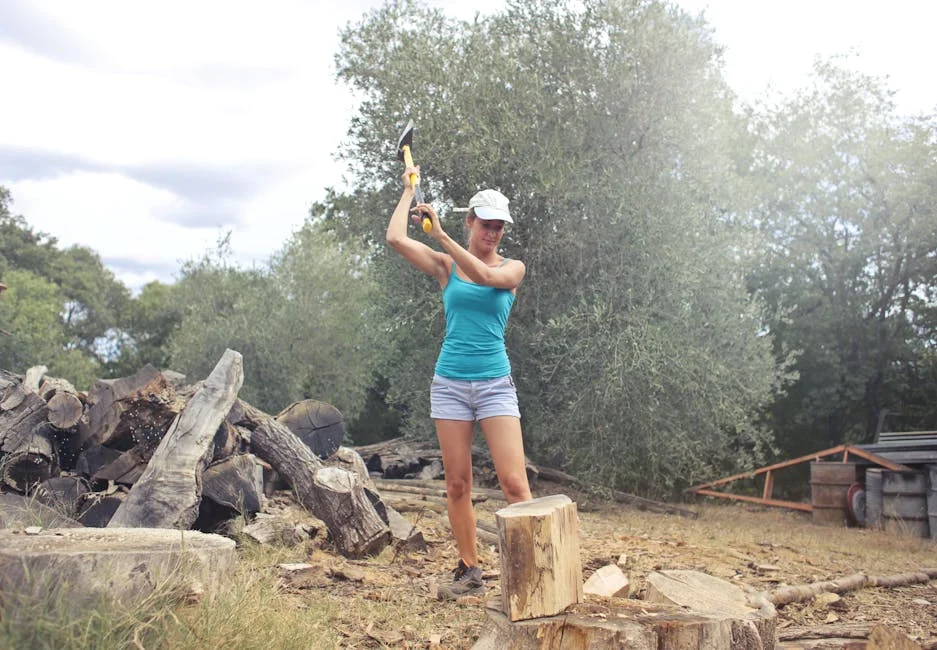
Fiskars X27 Super Splitting Axe, 36" Wood Splitting Axe for Medium to Large Size Logs with Shock-Absorbing Handle,: Pros & Cons
- 36-inch length provides extended reach for splitting logs
- Shock-absorbing handle reduces vibration and impact fatigue
- Longer 36-inch length may be unwieldy for smaller users
Where to Buy
Fiskars X27 Super Splitting Axe, 36" Wood Splitting Axe for Medium to Large Size Logs with Shock-Absorbing Handle,See Fiskars X27 Super Splitting Axe, 36" … on Amazon