Fire Starter Logs Reviewed: How to Choose the Right One

Affiliate disclosure: Some links on this page are affiliate links. If you buy through them we earn a small commission at no extra cost to you. This never influences which products we recommend — we only suggest things we'd buy ourselves. Product prices and availability are accurate as of the date published and are subject to change. Always check Amazon for current pricing before purchasing. Learn more.
Quick Picks
TRULite Premium Fire Starters, 20 Piece Box, USA Made, Ideal for Quickly, Safely & Naturally Lighting All Types of
20 piece box provides bulk quantity for frequent outdoor use
Buy on Amazon10lb Fatwood Fire Starter Sticks
10lb quantity provides substantial fire starter supply for extended use
Buy on Amazon– All-Natural Fire Starters for Campfires, Fire Pits, BBQs & Fireplaces – Long Burning, Weather-Resistant, Non-Toxic &
All-natural composition suitable for multiple fire applications
Buy on Amazon| Product | Price Range | Top Strength | Key Weakness | Buy |
|---|---|---|---|---|
| TRULite Premium Fire Starters, 20 Piece Box, USA Made, Ideal for Quickly, Safely & Naturally Lighting All Types of best overall | $$ | 20 piece box provides bulk quantity for frequent outdoor use | Bulk box format may be excessive for casual or occasional users | Buy on Amazon |
| 10lb Fatwood Fire Starter Sticks also consider | $$ | 10lb quantity provides substantial fire starter supply for extended use | Bulk 10lb package may be excessive for casual or occasional use | Buy on Amazon |
| – All-Natural Fire Starters for Campfires, Fire Pits, BBQs & Fireplaces – Long Burning, Weather-Resistant, Non-Toxic & also consider | $$ | All-natural composition suitable for multiple fire applications | All-natural products typically cost more than synthetic alternatives | Buy on Amazon |
| Duraflame Fire Starter for Indoor and Outdoor Use - Quick Ignition Logs for BBQ, Fireplace, Fire Pit and Campfires (24 also consider | $$ | Quick ignition feature saves time starting fires | Limited to 24 logs per package, requires repurchasing | Buy on Amazon |
| Duraflame Quick Start Firelighters – 40 Count Case also consider | $$ | Quick Start mechanism for faster fire ignition | Firelighters require additional kindling or fuel to sustain | Buy on Amazon |
Getting a fire going reliably — whether at a backcountry camp in the GW or in a backyard fire pit on a wet November evening — depends more on your ignition materials than most people realize. A good fire starter log bridges the gap between raw tinder and a self-sustaining blaze, and choosing the wrong one means frustration in exactly the conditions where you need the fire most. I’ve worked through enough fire making setups over twenty-two years in the Blue Ridge to know that the differences between these products are real and worth understanding before you buy.
The market runs from natural fatwood and plant-based wafers to compressed log firelighters, each with a different use case. What works reliably at a base camp with dry storage isn’t necessarily what belongs in a pack for a three-day ridge walk.
What to Look For in Fire Starter Logs
Ignition Reliability
A fire starter’s only job is to catch and sustain long enough for your kindling to take over. Ignition reliability breaks down into two questions: how easily does it light from a match or lighter, and how long does it sustain a flame before burning out? Some products light in seconds but burn hot and brief. Others are slower to catch but hold a flame for six to eight minutes — long enough to coax wet kindling into burning. For backcountry use, I want the latter. A quick flash that dies before the kindling catches is worse than no fire starter at all; it gives you false confidence and wastes a resource.
The test I apply is whether a fire starter can get a fire going over damp wood without a second piece. Products that pass that test in the GW or Jefferson in October are products worth recommending. Most of the budget synthetic options fail it.
Natural vs. Synthetic Composition
The composition question matters for two reasons: what you’re breathing, and what you’re cooking over. Petroleum-based fire starters work, but they produce black smoke and leave a residue that transfers to cast iron and food. For a fireplace or a burn pit in the backyard, that may be acceptable. For a camp where you’re cooking directly over coals, it’s not.
Natural options — fatwood, plant wax, compressed wood fiber — burn cleaner and leave less residue. They cost more per unit, usually, but the trade-off is real for anyone doing camp cooking. If you’re just lighting a backyard fire pit for ambiance, the composition question matters less. Know what you’re using the fire for before you buy.
Weather Resistance
Paper-based and thin compressed fiber starters deteriorate quickly when exposed to humidity, condensation, or direct moisture. A product that performs perfectly in July can fail completely when pulled out of a damp pack in March. Weather resistance in fire starters comes from wax coatings, resin content (in the case of fatwood), or sealed individual packaging.
If you’re buying for occasional home use and storing in a dry garage, weather resistance is a minor concern. If you’re packing fire starters into the Alleghenies in spring or fall, it’s the primary concern. Browsing the full fire starting category alongside fire starters is worth the time — the right ignition tool depends on what it’s paired with.
Quantity and Packaging Format
Fire starter logs come in bulk bags, boxed sets, and individually wrapped units. The format affects both storage and portability. A 10lb bag of fatwood is excellent value for a cabin or a vehicle-based campsite but impractical to carry on foot. A 20-piece boxed set of individual starters offers a reasonable middle ground. Individually wrapped units add bulk and weight but protect against moisture damage in the field.
For weight-conscious backpacking, I bring three to five starters per trip, stripped from their packaging and wrapped in a small zip-lock. Knowing the per-unit weight and size before you buy — not just the package count — is what lets you make that calculation accurately.
Top Picks
TRULite Premium Fire Starters, 20 Piece Box
TRULite Premium Fire Starters are USA-made, and the natural composition is what sets them apart in this format — no chemical accelerants, clean burn, minimal residue. The 20-piece box makes sense for anyone who lights fires regularly, whether at home or at a base camp with vehicle access.
I haven’t used these personally, but the construction is consistent with what I look for: natural materials, adequate burn duration, and a form factor that stores well. The USA manufacturing is a practical quality signal, not just a marketing claim — domestic production tends to correlate with more consistent raw material sourcing. For a car camper or a homeowner who builds fires through the fall and winter, this is a solid mid-range option.
The limitation is quantity and format for true backcountry use. Twenty pieces per box requires planning if you’re going through one or two per outing across a full season. Carry a few loose in a zip-lock for trips into the field; buy the box for home storage and resupply.
Check current price on Amazon.
10lb Fatwood Fire Starter Sticks
Fatwood is the material I trust most when conditions are genuinely difficult. 10lb Fatwood Fire Starter Sticks are resin-saturated heartwood — the stump and root sections of pine where resin concentrates after the tree dies. That resin is what makes fatwood catch from a spark and sustain a flame hot enough to dry and ignite damp kindling above it. There’s nothing added; the material does the work itself.
Ten pounds is a substantial quantity. For a permanent camp, a cabin, or a homestead with a woodstove, this format makes economic sense. You split or snap the sticks to the length you need, layer them with your tinder, and you have a reliable fire base that doesn’t depend on paper or chemical accelerant. Mors Kochanski spends real time on resinous wood in Bushcraft precisely because fatwood-equivalent material is one of the few fire-starting resources you can harvest from the forest itself when you know what you’re looking for.
The 10lb bulk format is the right answer for base camp or home use. For foot travel, it’s impractical weight, and moisture affects natural wood more than wax-coated alternatives.
Check current price on Amazon.
All-Natural Fire Starters for Campfires, Fire Pits, BBQs and Fireplaces
All-Natural Fire Starters for Campfires, Fire Pits, BBQs & Fireplaces are designed around a specific advantage: weather resistance paired with a non-toxic formulation. The combination matters if you’re lighting fires over which you’ll cook. A starter that’s weather-resistant and food-safe is a narrower product category than most people realize, and this one fills it directly.
I haven’t used these personally. The claims around weather resistance are plausible given the natural wax component common in this product category — wax creates a barrier that slows moisture absorption without requiring petroleum chemistry. The long burn time noted in the specs is consistent with a denser, wax-impregnated construction, which takes more heat to ignite initially but holds a flame longer once it’s going.
The trade-off is ignition ease. A denser, wax-saturated starter typically requires a sustained match flame or a lighter, not a single strike. In calm conditions, that’s no problem. In wind, you’re shielding the flame longer. Worth knowing before you’re standing in a field at dusk trying to get dinner going.
Check current price on Amazon.
Duraflame Fire Starter for Indoor and Outdoor Use
The Duraflame Fire Starter for Indoor and Outdoor Use is a known quantity. Duraflame has been in the firelighter market long enough that the product is predictable — quick ignition, broad application range from fireplace to fire pit to camp grill, consistent from unit to unit. The 24-log count is a reasonable home supply.
What I’d use this for is a backyard fire pit or a fireplace where convenience is the priority and natural composition is not the primary concern. It’s not what I’d reach for in a cooking situation or a backcountry camp, but that’s not its intended use. If you have a covered patio fire pit you’re lighting twice a month through fall and winter, a case of these handles that without overthinking it.
The per-unit waste is a real consideration for anyone tracking their environmental footprint. Single-use compressed logs are not a low-waste choice. They’re a convenience choice, and that’s a legitimate trade-off if convenience is what you’re buying.
Check current price on Amazon.
Duraflame Quick Start Firelighters — 40 Count Case
The Duraflame Quick Start Firelighters — 40 Count Case is the higher-volume version of the same Duraflame approach — faster ignition than a standard compressed log, 40 units to a case, and the same broad application range. The count makes more sense for a household that goes through firelighters regularly, or for a venue like a restaurant with a wood-fired component.
These are firelighters, not fire starters in the fatwood or natural-wafer sense. They light the fire; they don’t sustain it. You still need kindling and fuel above them. That distinction matters for buyers who think a firelighter replaces the need to build a proper fire structure. It doesn’t — it just makes the ignition stage faster and more consistent.
For home use where speed matters and you’re buying in volume, the 40-count case offers better per-unit value than the 24-count. The underlying trade-offs — single use, ongoing replenishment, not ideal for cooking fires — are the same as the smaller package.
Check current price on Amazon.
Buying Guide
Match Your Fire Starter to Your Fire Type
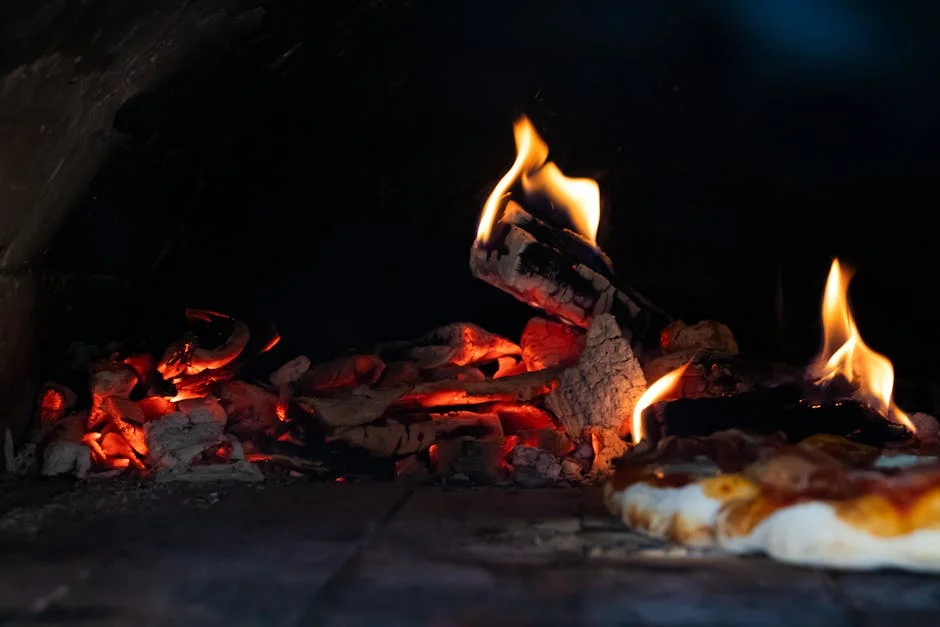
The most common mistake is buying a fire starter without accounting for what kind of fire you’re building. A fireplace fire and a camp cooking fire have different requirements. In a fireplace with seasoned hardwood, almost any starter works — the wood is dry, the draft is controlled, and you have time to coax the fire along. In a camp situation with mixed-moisture wood, you need a starter with longer burn duration and enough heat output to dry the lower layer of kindling while it burns. A firelighter designed for convenience at home may fail that test entirely.
The right fire making approach starts with understanding your fuel, not just your ignition source. Buy the starter that matches your actual conditions.
Consider Bulk Quantity Against Your Real Use Rate
Ten pounds of fatwood or a 40-count case of firelighters is excellent value per unit — if you’ll use them before they degrade. Natural wood products absorb moisture over time, and even wax-coated firelighters lose effectiveness if stored improperly for more than a season. Calculate your actual use rate before buying bulk. A homeowner who builds six fires per year doesn’t need 10 pounds of fatwood. A hunting camp group that runs a fire every evening through a two-week season does.
Evaluate Storage and Transport Conditions
Products that perform well under dry storage conditions may fail when exposed to field conditions. If your starters live in a garage cabinet, the storage question is simple. If you’re pulling them from a pack after two days of rain in the Alleghenies, you need wax coating, resin content, or sealed individual packaging. Loose natural fiber starters in a bulk box are not field-ready without repackaging. Plan accordingly — a small waterproof bag or a rigid plastic container adds negligible weight and protects the investment.
Single-Use vs. Reusable Thinking
Most fire starter logs and firelighters are single-use products. That’s not a flaw, but it has implications: ongoing replenishment cost, packaging waste per fire, and a dependency on retail resupply. For backcountry use, it also means finite supply — you have exactly as many fires as you brought starters for. Pairing fire starters with a learned skill like fatwood identification or char cloth preparation gives you redundancy. The starters are the fast lane; the skill is the backup. I’d argue you need both.
Natural vs. Synthetic for Cooking Applications
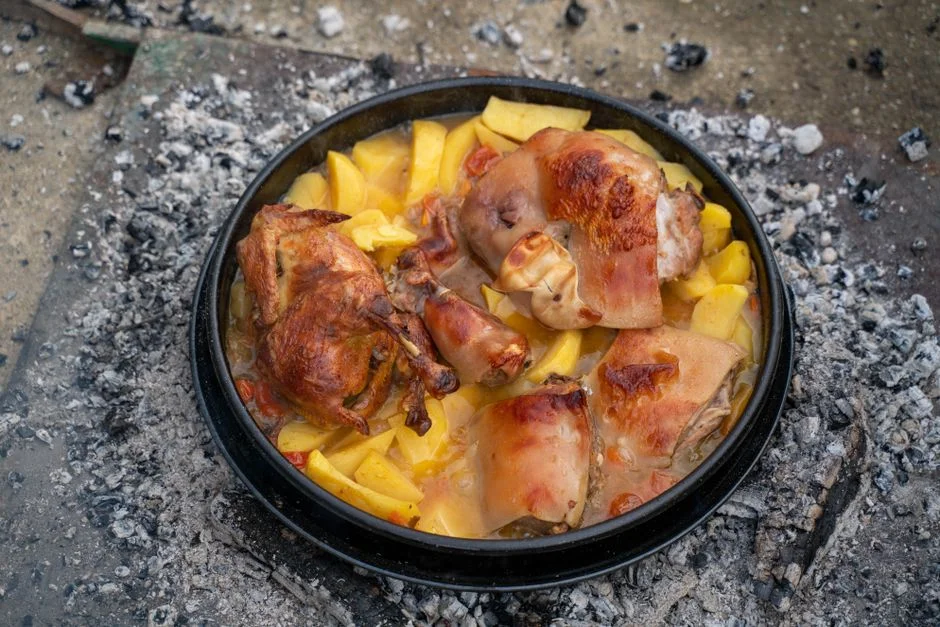
If you’re using fire starters to light a fire over which you’ll cook — directly on coals, over a grate, or in a Dutch oven — the composition question is not optional. Petroleum-based products transfer hydrocarbons to cookware and, at high heat, to food. That’s a health concern and a flavor concern. All-natural products based on plant wax, wood resin, or compressed wood fiber do not carry that contamination risk. The distinction matters most for direct-heat cooking; for campfires lit purely for warmth and ambiance, the difference is marginal.
Frequently Asked Questions
What is the difference between a fire starter log and a firelighter?
A fire starter log is a standalone fuel block designed to sustain a flame long enough to ignite kindling and larger fuel above it — it functions as both ignition and initial fuel. A firelighter is a smaller, faster-burning unit that provides ignition but requires additional kindling and wood to build a full fire. Firelighters work faster; fire starter logs require less additional setup. For backcountry use with uncertain wood moisture, fire starter logs with longer burn durations are more reliable.
Is fatwood a better choice than compressed fire starters?
For outdoor and backcountry use, fatwood typically outperforms compressed synthetic firelighters in wet conditions. The resin content in fatwood creates a high-heat flame that dries surrounding material while it burns — compressed starters don’t replicate that. Fatwood is heavier and bulkier per unit, which matters for foot travel. For home or base camp use where weight isn’t a constraint, fatwood is the more capable and more sustainable option.
Can I use fire starter logs for cooking fires safely?
It depends entirely on the composition. Natural fire starters made from plant wax, fatwood, or compressed wood fiber are safe for cooking fires — they leave no chemical residue on cookware or coals. Petroleum-based products are not appropriate for cooking fires. Check the product labeling for “food safe” or “non-toxic” language before using any fire starter beneath a cooking grate.
How many fire starters should I pack for a multi-day trip?
A practical baseline is two starters per fire, per day — one as primary ignition, one as backup if the first attempt fails or conditions are worse than expected. For a three-day trip with one cooking fire and one evening fire per day, six starters is a reasonable minimum. I usually carry eight to ten for a three-day trip in the Blue Ridge, stripped from packaging and sealed in a zip-lock. The weight addition is negligible; running short is not a recoverable problem in the field.
Do fire starter logs work in wet or rainy conditions?
It depends on the product. Wax-coated and resin-saturated products — like fatwood or plant-wax fire starters — maintain performance in damp conditions because the wax or resin repels surface moisture. Paper-based or loose fiber products absorb moisture quickly and may fail to light when wet. For reliable performance in rain or high humidity, choose products with explicit weather-resistant claims or high resin content, store them in a waterproof container, and shield the fire structure from precipitation while the starter is establishing the initial flame.
Where to Buy
TRULite Premium Fire Starters, 20 Piece Box, USA Made, Ideal for Quickly, Safely & Naturally Lighting All Types ofSee TRULite Premium Fire Starters, 20 Pie… on Amazon